

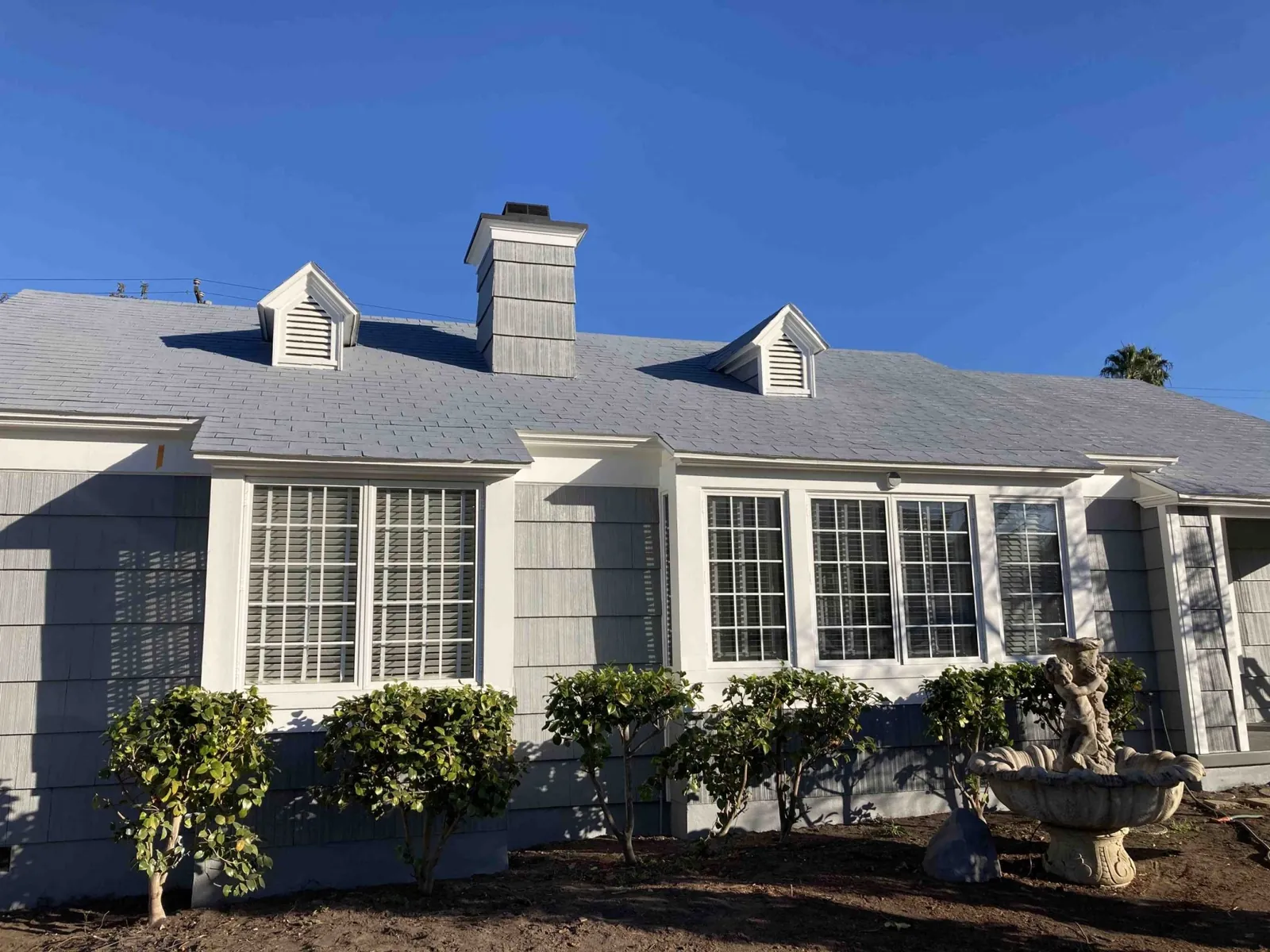
Professional Painting & Property Restoration in San Diego
Exceptional Craftsmanship. Expert Preparation. Lasting Results.
4.9 ★★★★★76 Google reviews- Licensed & BondedCSLB #1104525 · B & C-33
- 4.9★ on Google76 reviews
- Written WarrantyOne year · terms apply
- Free On-Site EstimatesDetailed written proposals
Painting & Restoration Throughout San Diego County
Double G Painting & General Contracting provides professional interior and exterior painting, specialty coatings, and property restoration services throughout San Diego County. From distinctive residences and historic homes to commercial buildings, apartment communities, and HOA properties, our team combines meticulous preparation, skilled craftsmanship, and professional project management to deliver exceptional results.
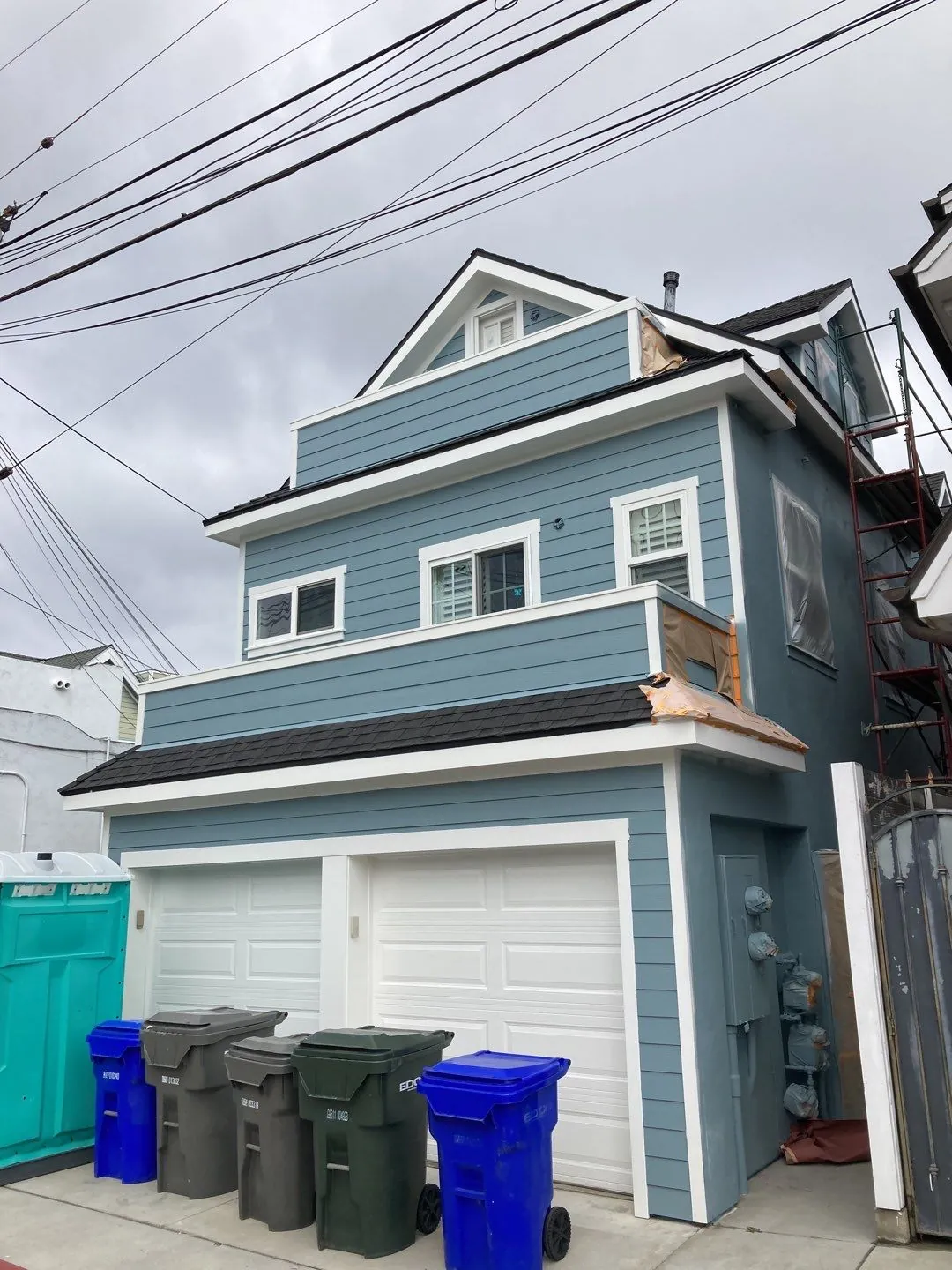
Residential Painting & Restoration
Interior and exterior painting, historic-home restoration, cabinetry, and related surface repairs.
- Interior
- Exterior
- Historic homes
- Cabinets
- Stucco & wood repair
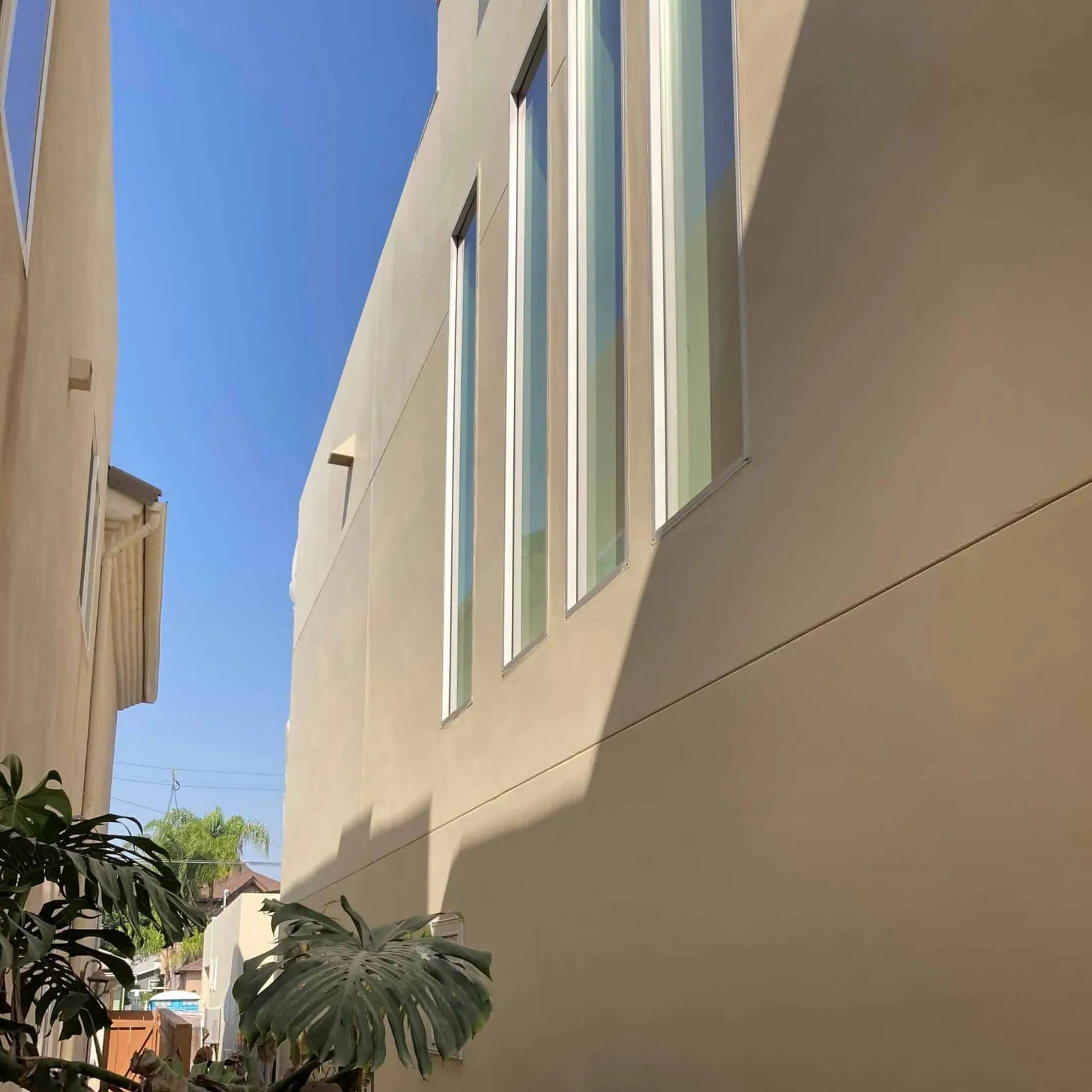
Commercial & Multifamily Painting
Professional painting, restoration, and coordinated projects for businesses, apartment communities, and HOAs.
- Commercial
- Apartments
- Unit turnovers
- HOAs
- Maintenance painting
Free On-Site Estimates • Detailed Written Proposals • One-Year Written Warranty (terms apply)
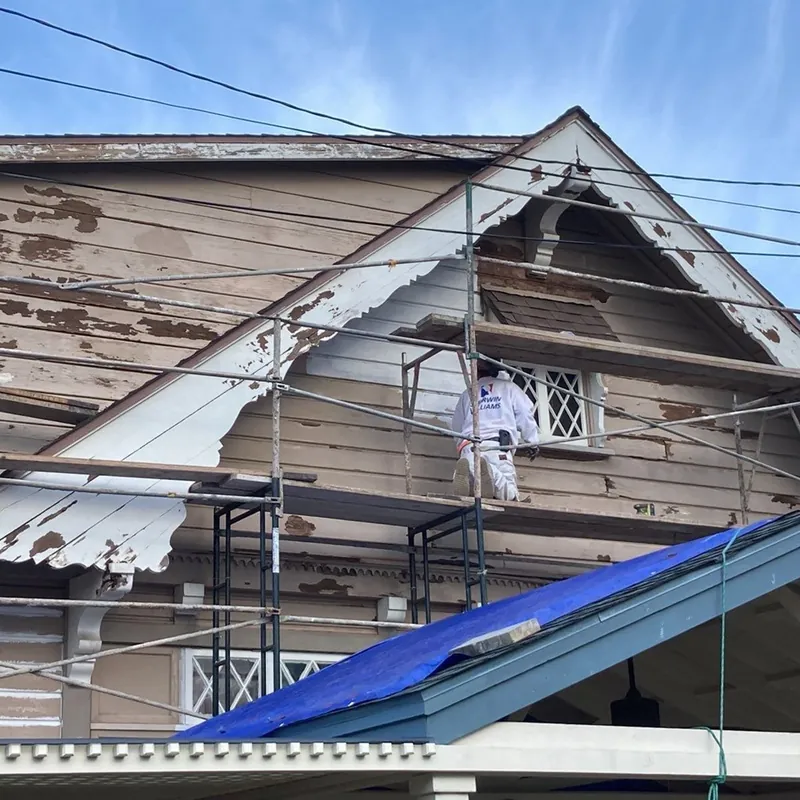
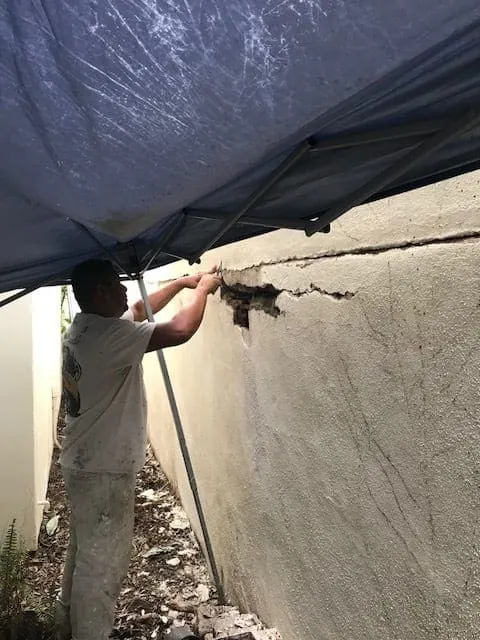
More Than a Painting Contractor
A beautiful, long-lasting finish begins with proper preparation. Our combined painting and general contracting capabilities help us identify and address many common surface deficiencies before painting begins. From wood deterioration and carpentry repairs to stucco restoration and drywall preparation, we approach each project with attention to the visible finish and underlying condition of the property.
Why Property Owners Choose Double G
- Quality craftsmanship
- Integrated painting and repairs
- Professional project management
- Respectful property protection
- Clear communication and accountability
Historic Property Expertise
Preserving original details and protecting the architectural character of older homes is a signature part of our residential work. From Craftsman bungalows to Spanish Revival homes, we combine careful preparation, carpentry repairs and appropriate coatings to protect what makes these properties special.
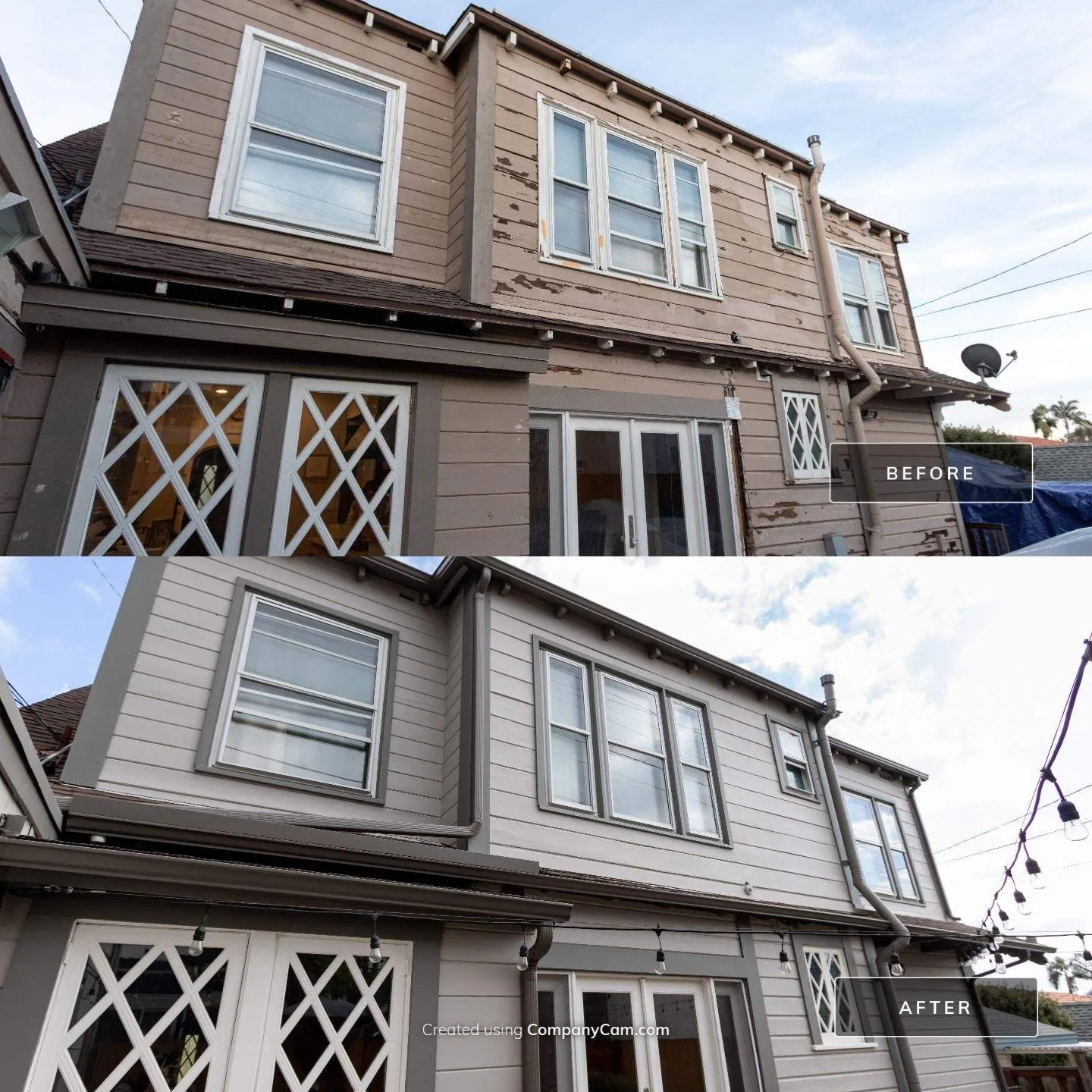
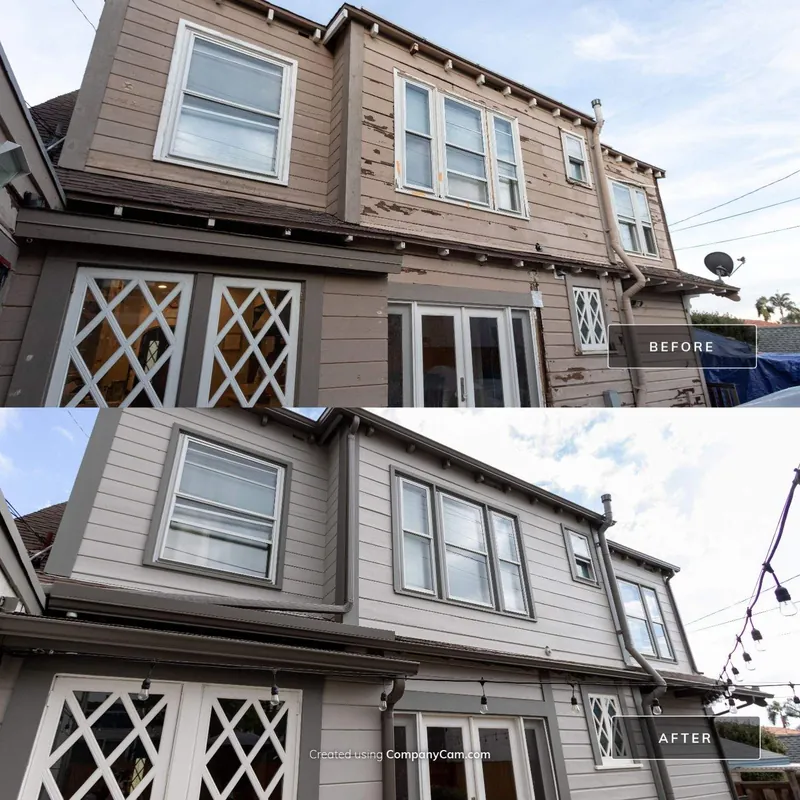 Point Loma
Point Loma Historic Home
Decades of failed paint stripped from a historic Point Loma home, wood repaired and primed, and the exterior restored in gray with white trim.
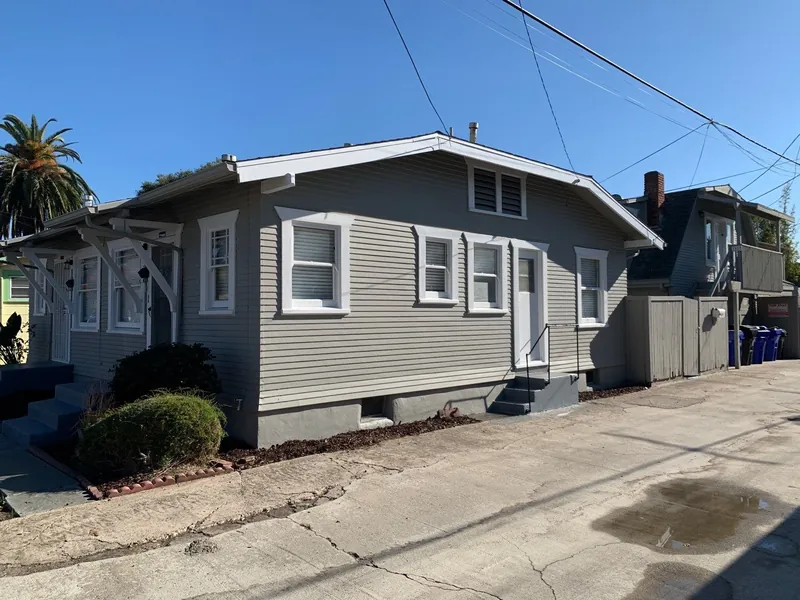 San Diego
Craftsman Bungalow Siding Repair & Repaint
Wood siding rotted through at the base of the walls, replaced to match and repainted in a soft gray with white trim.
 San Diego
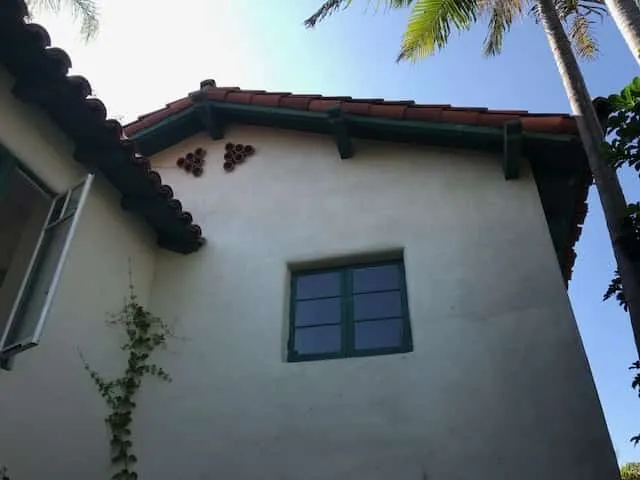
Spanish Villa Stucco Repair & Repaint
Broken stucco down to the brick, cracked walls and faded ironwork, rebuilt and repainted with green trim and red wrought iron.
Painting & Restoration Services
Every project includes surface preparation, protection of floors, landscaping and furnishings, and a final walkthrough.
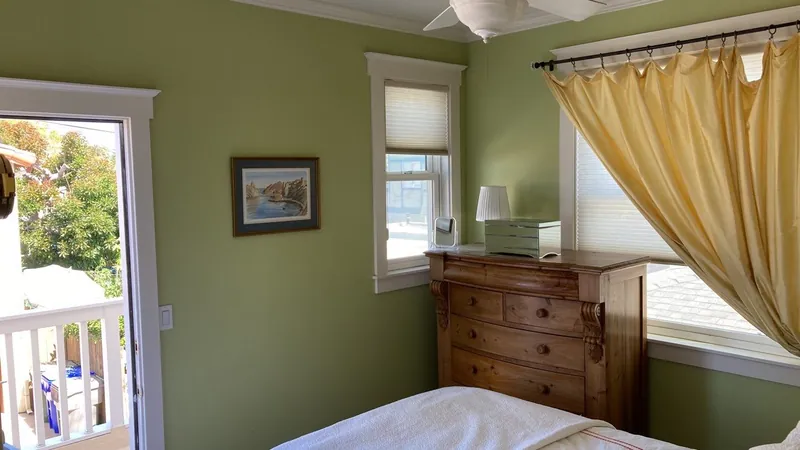
Interior Painting
Walls, ceilings, trim and doors. Drywall patched, furniture protected, low-VOC paint.
Learn more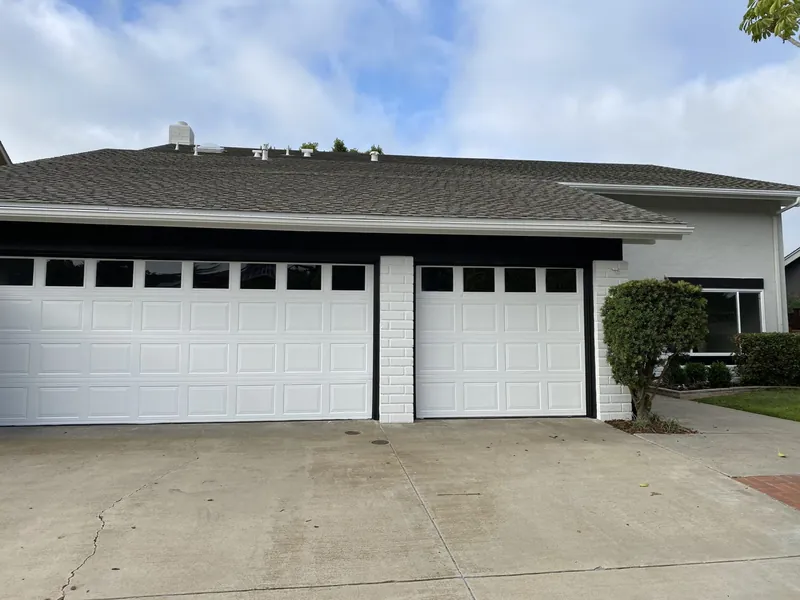
Exterior House Painting
Stucco, siding, trim and doors. Repairs first, then coatings chosen for sun and salt air.
Learn more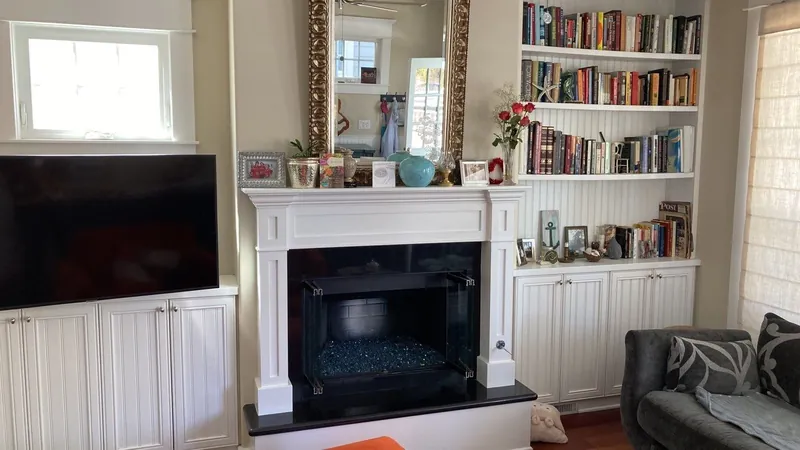
Cabinet Painting
Kitchen, bath and built-in cabinets refinished in a hard, cleanable enamel.
Learn more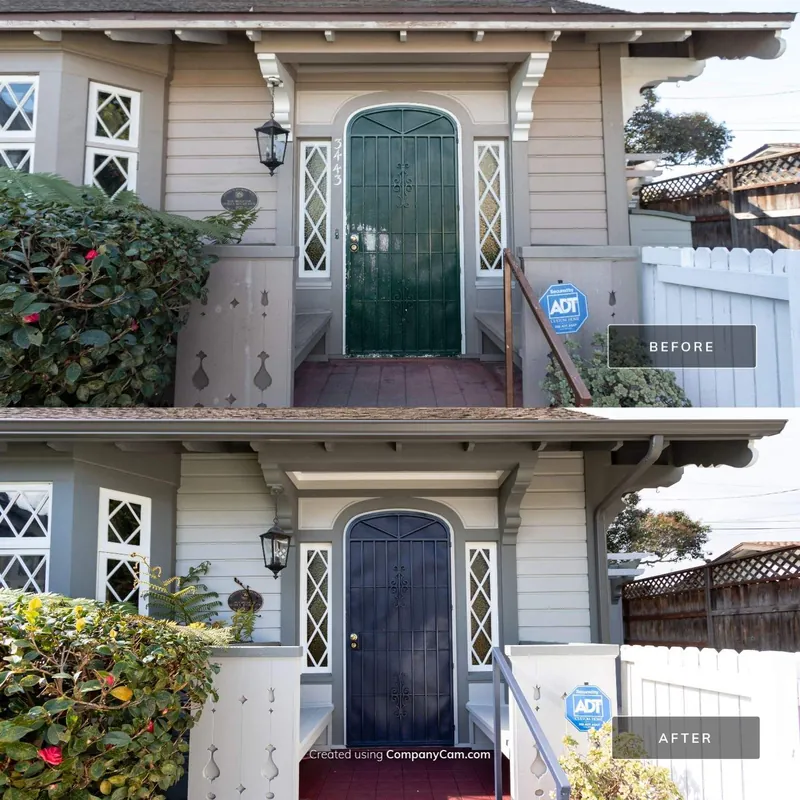
Historic Home Painting & Restoration
Craftsman, Spanish Revival and early-1900s homes. Original details preserved, durable finishes.
Learn more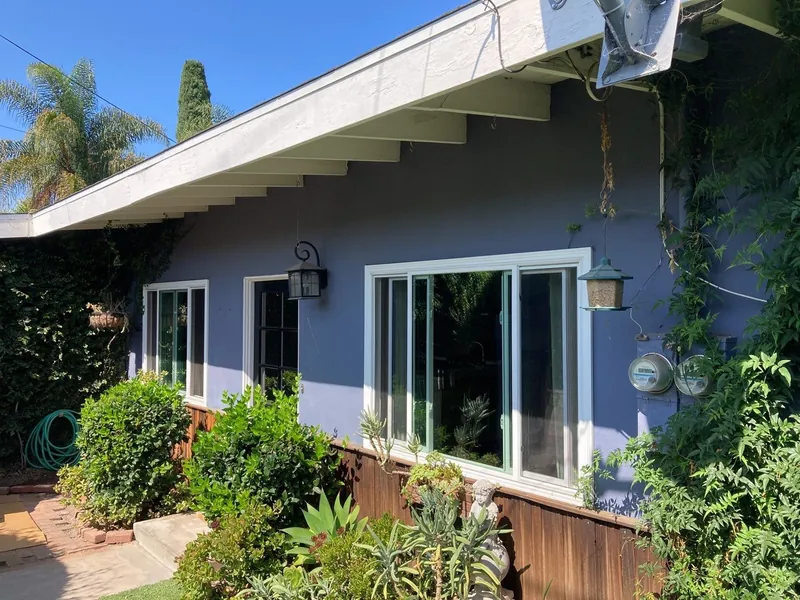
Stucco Painting & Elastomeric Coatings
Crack repair, texture matching, and masonry or elastomeric coatings for stucco walls.
Learn more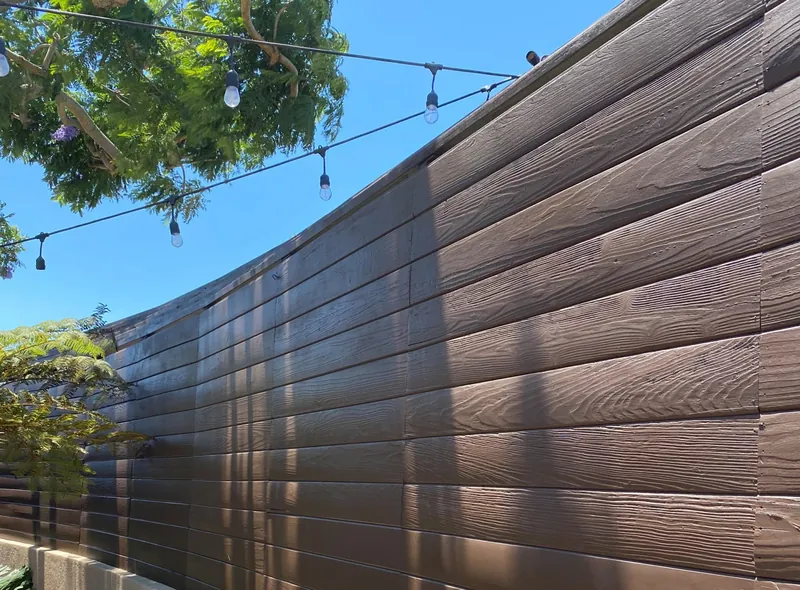
Fence & Deck Painting and Staining
Fences, decks, stairs and pergolas cleaned, repaired and stained or painted.
Learn more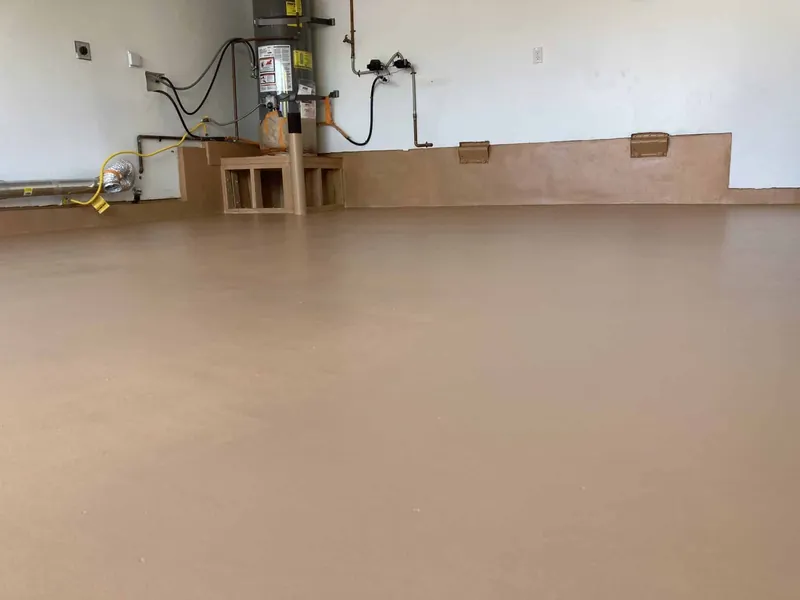
Epoxy Floor & Deck Coatings
Epoxy garage floors and waterproof coatings for roof decks and patios.
Learn more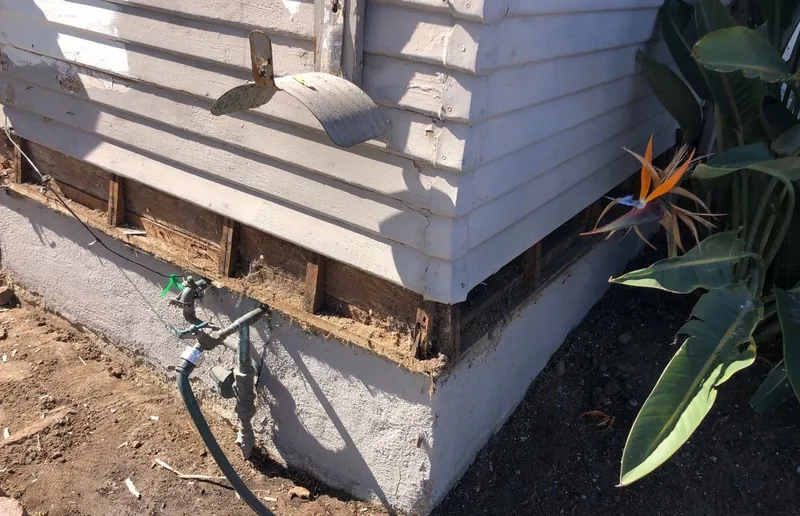
Stucco, Wood & Drywall Repair
Stucco, dry rot, siding, fascia and drywall fixed by our own licensed crew before paint.
Learn more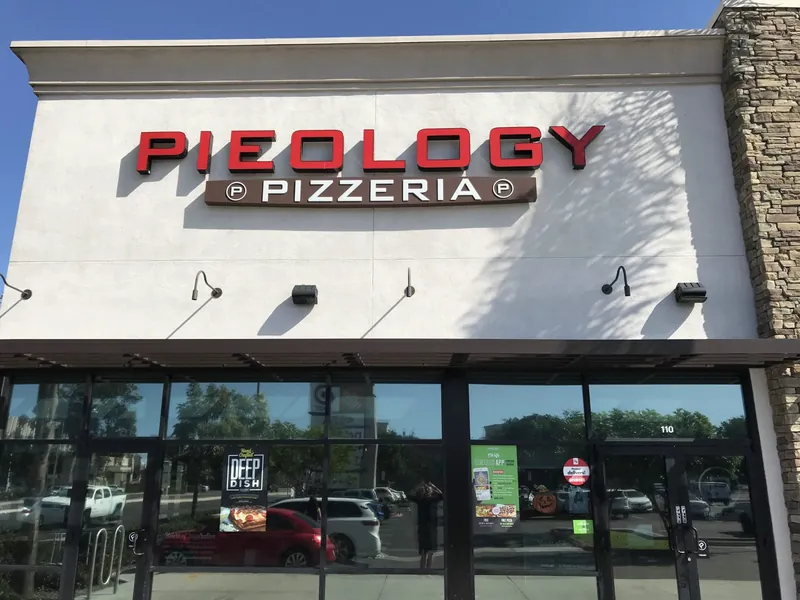
Commercial Painting
Offices, storefronts, restaurants and buildings, scheduled around your business hours.
Learn more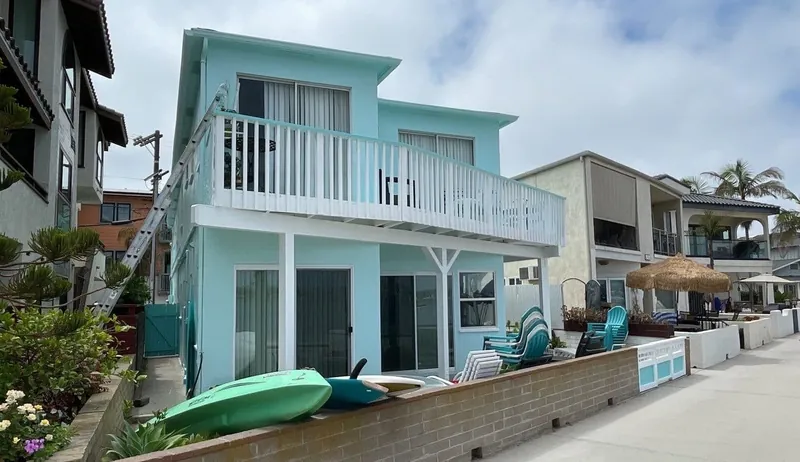
Apartment & Multifamily Painting
Unit turnovers, common areas and exteriors for apartments and income properties.
Learn more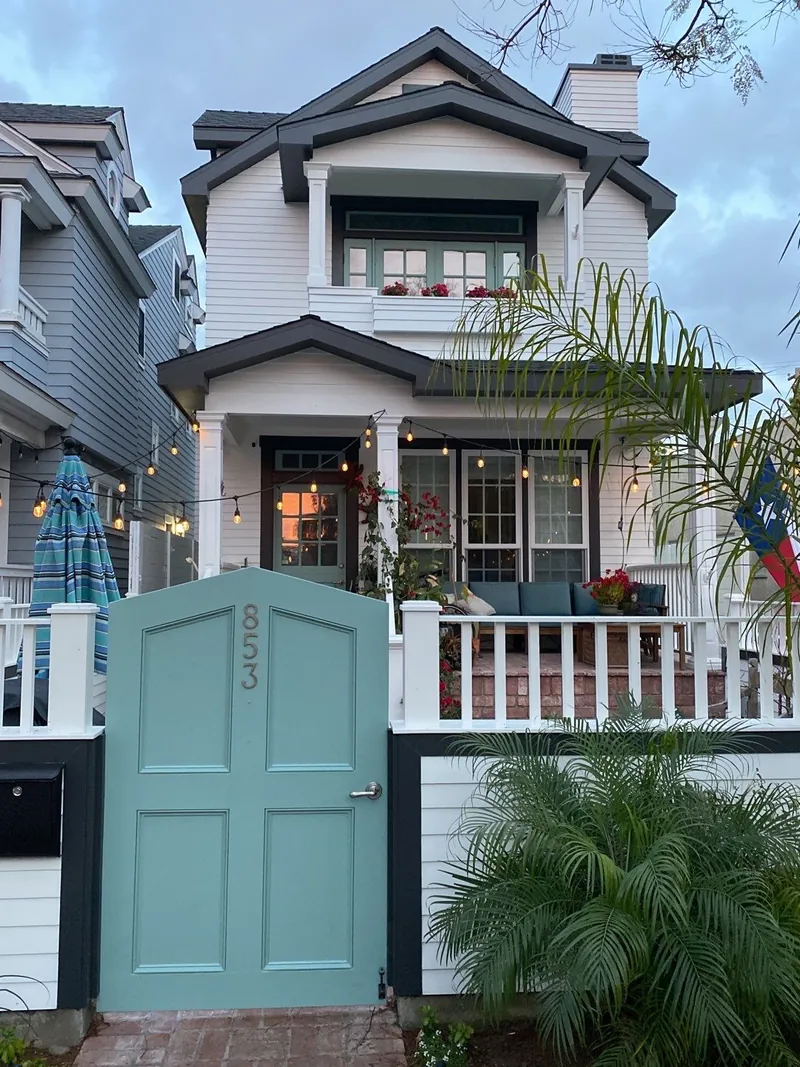
HOA & Condominium Community Painting
Community-wide and phased repaints on your approved colors and specifications.
Learn moreNot Sure What You Need?
Tell us about the property. We'll walk it with you and follow up with a detailed written proposal.
(619) 665-0754Our Work Speaks for Itself
Explore completed residential, historic restoration, and exterior renovation projects throughout San Diego County.
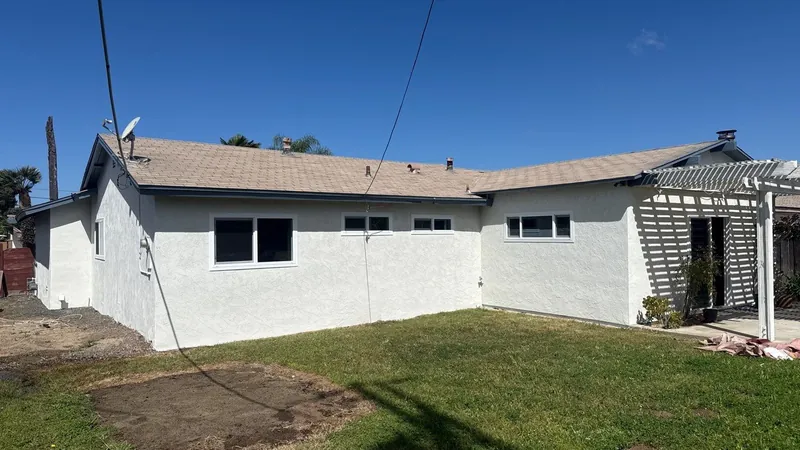 Clairemont, San Diego
Clairemont Ranch Exterior Renovation
Mildewed, cracked tan stucco, weathered trim and old windows turned into a clean white exterior with charcoal trim and a freshly painted pergola.
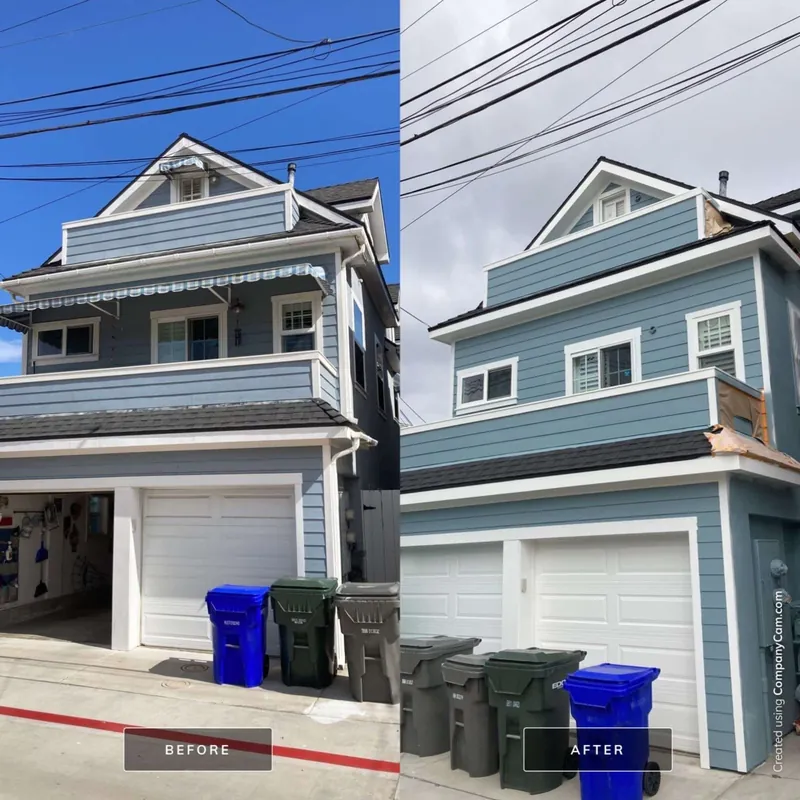 Coronado
Tall, Narrow Coronado Home Repaint
A three-story home on a narrow Coronado lot, weathered by sun and salt air, fully primed and repainted with minimal access on either side.
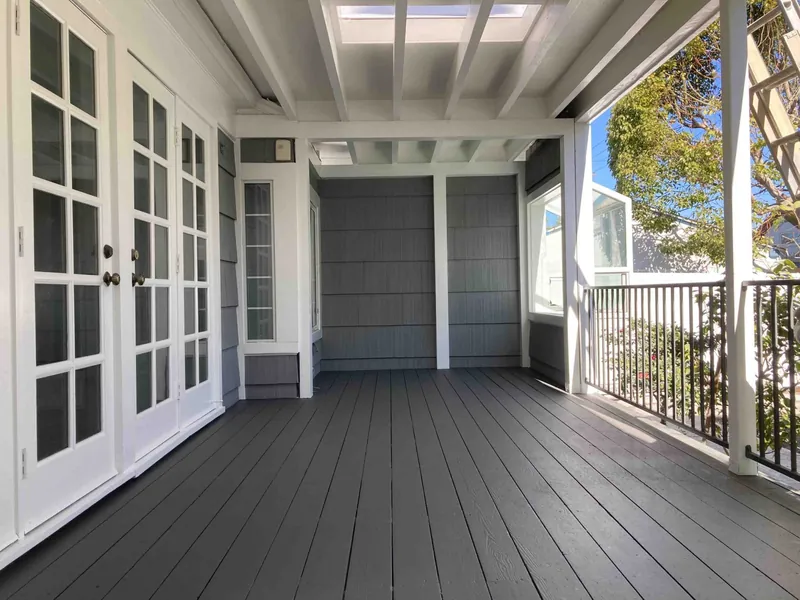 Crown Point, Pacific Beach
Crown Point Beach House Restoration
A big job with a beautiful result: termite- and water-damaged deck and stairs rebuilt, siding and trim restored, and the whole house repainted.
University CityUniversity City Black & White Home
Stucco repaired and resurfaced, then a high-contrast black and white repaint, with the deck, garage doors and front doors to match.
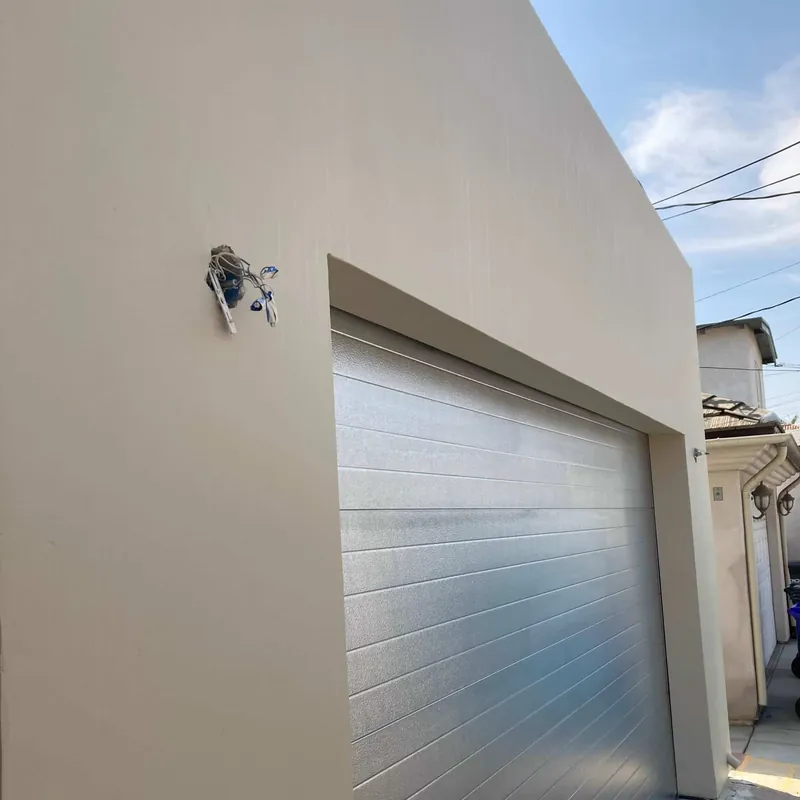 Coronado
H Avenue: Smooth Stucco, Decks & Roof Deck
Fifteen-year-old smooth stucco with a lot of cracking, three decks to refinish and a rooftop deck to recoat. More than a paint job.
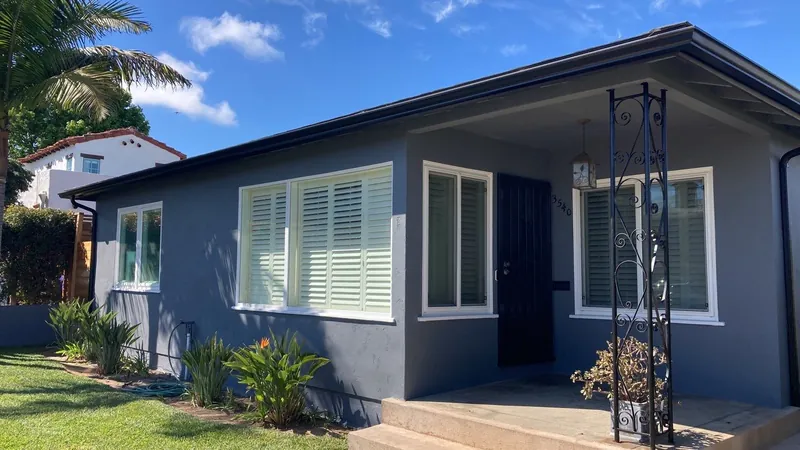 Coronado
Coronado Navy Stucco Refresh
Cracked stucco, damaged fascia and a chipped driveway repaired, then a deep navy body with crisp white trim.
What San Diego Clients Say
Read on GoogleAmazing! That's the easiest way to say it. From the initial contact through to the very end, everything was amazing with Double G Painting. We needed the exterior of our 1911 Craftsman painted, along with some restoration work, and they made everything look great. So easy to work with. The painters were complete pros -- and awesome people to boot. Would highly recommend Double G to anyone looking to get their house painted.
Read on GoogleI had a wonderful experience with Double G Painting. They installed new flooring in our home and the whole process was smooth from start to finish. The team was friendly, professional, and kept everything clean while they worked. The floors look amazing and you can really tell they take pride in their work. I’d definitely recommend Double G to anyone needing flooring done.
Read on GoogleWe had Double G paint our nearly 100-year-old house. First, we needed some carpentry work done. David came and did an excellent job repairing a rotted out door threshold and replacing some shingles. Carlos and Francisco did the painting, and they too did an excellent job. They did a lot of prep work on our windows and doors and then did a meticulous job of painting. They were always cheerful, seemed to enjoy the work and were easy to work with if we had concerns. We are very pleased with the results!
The experience with Double G painting was fantastic from the outset. They were incredibly professional, meticulous, and paid close attention to detail. I was overwhelmed by the variety of colors, but their project manager, Benjamin, connected me with a color consultant who guided me in making my decision. I highly recommend them.
You really do get what you pay for!!! I couldn't be more pleased with Double G Painting and General Contracting. John and Jack were easy to communicate and work with to get the exact results I wanted on my house. I had my 1938 craftsman house transformed with stucco repair, paint, and new gutters. Double G Painting and Contracting was not the lowest estimate I received, but I noticed and appreciated the attention to detail John showed during the estimate.
Double G Painting & General Contracting did an excellent job on our home! They did a full stucco patch/repair, exterior painting, and installed new gutters. They were kind, efficient, and worked hard to ensure their work was of the highest quality. I truly appreciated how transparent these guys were and the time they took to discuss and work with us to deliver an amazing final product. We are so pleased and feel like we have a brand new home! 10/10 highly recommend and can't wait to work with them again in the future.
From Estimate to Final Walkthrough
Free On-Site Estimate
We review your objectives, assess visible surface conditions, and discuss preparation or repair considerations.
Detailed Written Proposal
You receive a written proposal outlining the recommended scope of work, preparation and coating system.
Prep, Repair, Paint
We protect the property, address the underlying surface conditions, then apply the finish coats.
Walkthrough & Warranty
We review the finished work with you. Qualifying work is backed by our one-year written warranty, subject to its terms.
Request Your Free On-Site Estimate
Tell us about your project and we'll schedule a free on-site estimate. During the visit we'll review your objectives and assess the surfaces, then follow up with a detailed written proposal.
| Monday – Friday | 8:00 AM – 5:00 PM |
| Saturday – Sunday | Closed |
Painting Across San Diego County
Our office is in Kearny Mesa, central to the coast, the beach communities and East County. These are the neighborhoods where we've done the most work.
Coronado
Tall, narrow homes, craftsman cottages and smooth-stucco moderns. Six documented projects.
Coronado painting →Point Loma
Historic and coastal homes from Loma Portal to Sunset Cliffs.
Point Loma painting →La Jolla
Coastal homes from Bird Rock to La Jolla Shores, inside and out.
La Jolla painting →Mission Hills
Craftsman, bungalow and Mission Revival homes, painted with restoration in mind.
Mission Hills painting →University City
1960s–70s stucco homes, condos and HOAs near UTC.
University City painting →Pacific Beach
Beach houses, Crown Point bay homes, condos and rentals.
Pacific Beach painting →La Mesa
Ranch homes, farmhouses, stucco tract homes and village businesses.
La Mesa painting →We also paint in
- Ocean Beach
- Mission Beach
- Clairemont
- Kearny Mesa
- North Park
- South Park
- Kensington
- Del Cerro
- Allied Gardens
- San Carlos
- Mission Valley
- Carmel Valley
- Del Mar
- Solana Beach
- Encinitas
- Carlsbad
- Poway
- Lemon Grove
- National City
- Chula Vista
Common Questions
How much does it cost to paint a house in San Diego?
Every property is different, so we provide pricing in a detailed written proposal after a free on-site estimate. The main factors are the size and height of the property, the condition of the surfaces, the preparation and repairs needed, and the coating system. During the visit we review your objectives and assess the visible surface conditions so the proposal reflects the actual scope of work.
Is Double G Painting licensed and insured?
Yes. Double G holds California CSLB License #1104525 with two classifications: B (General Building) and C-33 (Painting & Decorating). The license is bonded, and the company carries workers' compensation insurance. You can verify the license on the CSLB website.
Can you repair stucco, wood and siding before painting?
Yes. With in-house painting and carpentry capabilities, we can address many of the underlying surface conditions that affect the appearance and longevity of a paint project, from wood deterioration and carpentry repairs to stucco restoration and drywall preparation.
Do you paint historic homes?
Yes. Preserving original details and the architectural character of older homes is a signature part of our residential work, including Craftsman, Spanish Revival and other distinctive architecture. Learn about our historic home painting and restoration.
Do you paint apartments, HOAs and commercial buildings?
Yes. We work with property owners, businesses, apartment communities, HOAs and professionally managed properties throughout San Diego County. Larger projects can be phased, when practical, to help limit disruption to residents, tenants and business activities.
What areas of San Diego do you serve?
We're based at 4565 Ruffner Street in San Diego (92111) and work throughout San Diego County, including Coronado, Point Loma, La Jolla, Mission Hills, University City, Pacific Beach and La Mesa.
Do you offer a warranty?
Yes. Qualifying work is backed by our written one-year warranty, subject to its terms and exclusions. See the full warranty terms.
Ready to Get Started?
Free on-site estimates, detailed written proposals, and in-house painting and carpentry to address what's underneath the paint.