
Exterior House Painting in San Diego
Stucco, wood siding, shingles, trim, doors and railings, prepped and repaired properly so the paint stands up to San Diego sun and salt air.
- Licensed & BondedCSLB #1104525 · B & C-33
- 4.9★ on Google76 reviews
- Written WarrantyOne year · terms apply
- Free On-Site EstimatesDetailed written proposals
Quick answerDouble G paints home exteriors across San Diego County: stucco, wood siding, shingles, trim, doors, railings and garage doors. Our crew repairs cracked stucco, dry rot and damaged siding first, because we also hold a B general building license. Estimates are free and on-site, followed by a detailed written proposal.
What's included in an exterior paint job
Every exterior we paint follows the same basic sequence. The details change with the house, and the proposal spells out exactly what we'll do on yours.
- Pressure washing to remove dirt, chalking paint and salt residue
- Scraping and sanding loose or peeling paint, and feathering the edges
- Stucco crack repair and patching, with texture matched to the wall
- Replacing rotted trim, fascia, siding or shingles where needed
- Caulking gaps around windows, doors and trim
- Spot-priming bare wood, metal and patches with the right primer
- Masking windows, fixtures and roofs, and covering plants and walkways
- Two finish coats on body and trim (more for big color changes)
- Doors, gutters, railings and garage doors as listed in your proposal
- Daily cleanup and a final walkthrough with you
Surfaces we paint
Stucco
Most San Diego homes are stucco, and stucco has its own rules. Hairline cracks get bridged with elastomeric patch, larger cracks get opened and patched, and the patch texture gets matched so it doesn't show through the new paint. On walls with recurring cracks we often recommend an elastomeric coating. See stucco painting and elastomeric coatings.
Wood siding, shingles and trim
Wood moves, takes on moisture and fails first on the sunny side of the house. We scrape to sound paint, replace what's rotted, prime bare wood, and caulk joints so water stays out. Cedar shingles and older lap siding are common in Coronado, Point Loma and Mission Hills, and they need extra prep for even coverage.
Doors, railings and metal
Front doors get a smooth, durable finish. Wrought iron and metal railings get rust treated and primed with a metal primer before topcoats. Garage doors, gates and gutters are included when they're on the proposal.
Why San Diego exteriors fail early
Paint itself rarely fails on its own. It fails because of what's underneath it or what it's exposed to:
- UV exposure. South and west walls fade and chalk years before the shady side does.
- Salt air and marine layer moisture. Near the coast, bare wood and metal break down fast, and damp mornings can trap moisture under fresh paint if coats are timed badly.
- Unrepaired cracks and rot. Water gets in behind the paint, and the paint blisters and peels from the back side.
- Skipped prep. Paint applied over chalky, dirty or glossy surfaces doesn't bond.
That's why we spend most of our time on prep and repair. It's the part you can't see when the job is done, and it's the part that decides whether the paint lasts four years or ten.
Paint and color
We use premium exterior lines from manufacturers like Sherwin-Williams and Benjamin Moore, matched to the surface: elastomeric or masonry products for stucco, high-adhesion primers for bare wood and metal, and durable satin or semi-gloss finishes for trim and doors. A free color consultation is included, and we'll brush out samples on your actual walls so you can see them in your light before you decide.
Selling soon? A fresh exterior is one of the most visible things you can do before listing. Let us know your listing date and we'll discuss scheduling around it.
Exterior Painting Photos
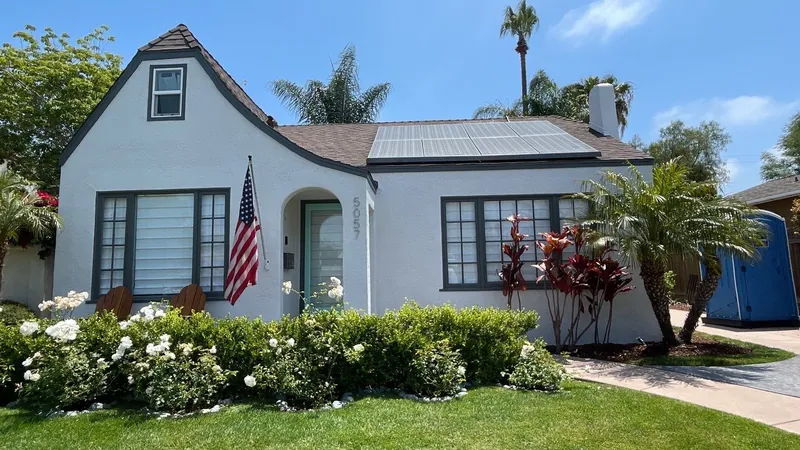
Real Double G jobs in San Diego. Tap a photo to enlarge it.
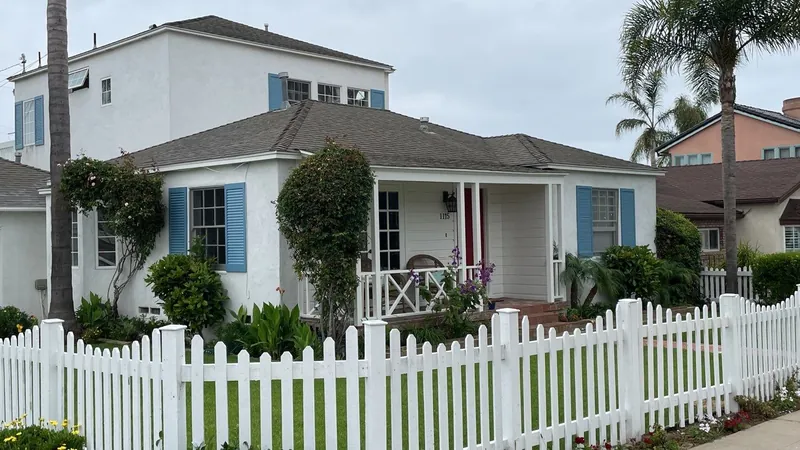
See It on Real Jobs
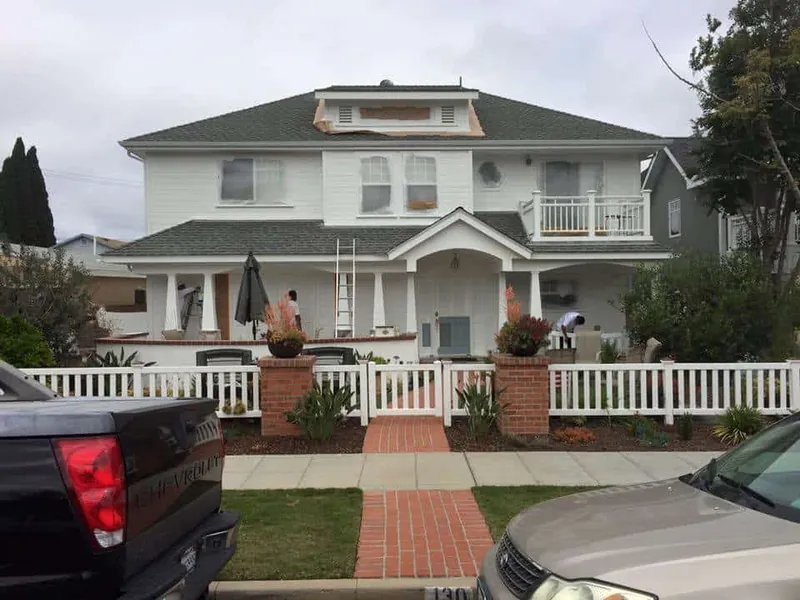
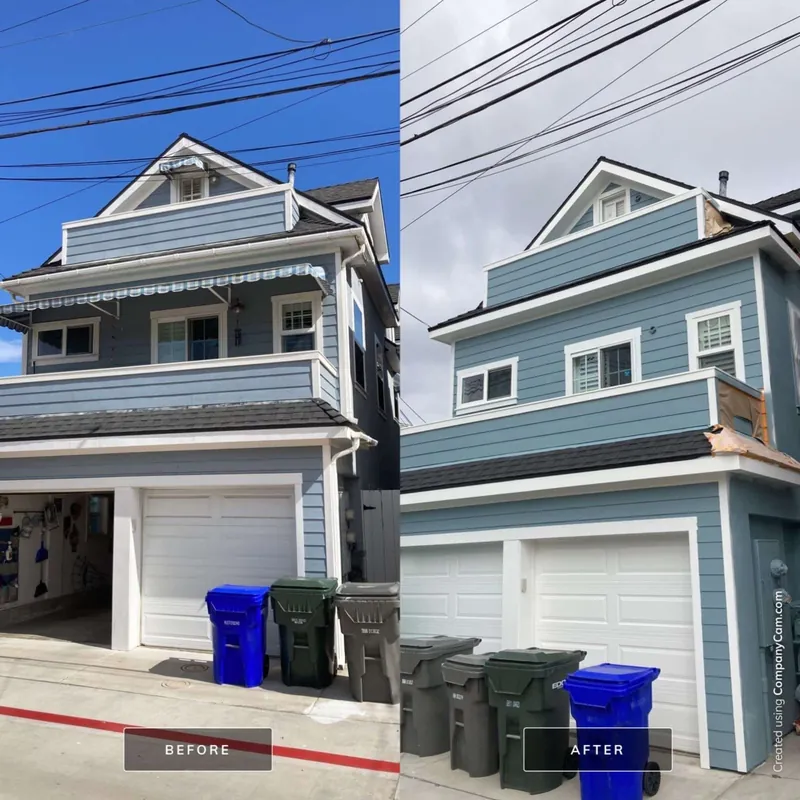 Coronado
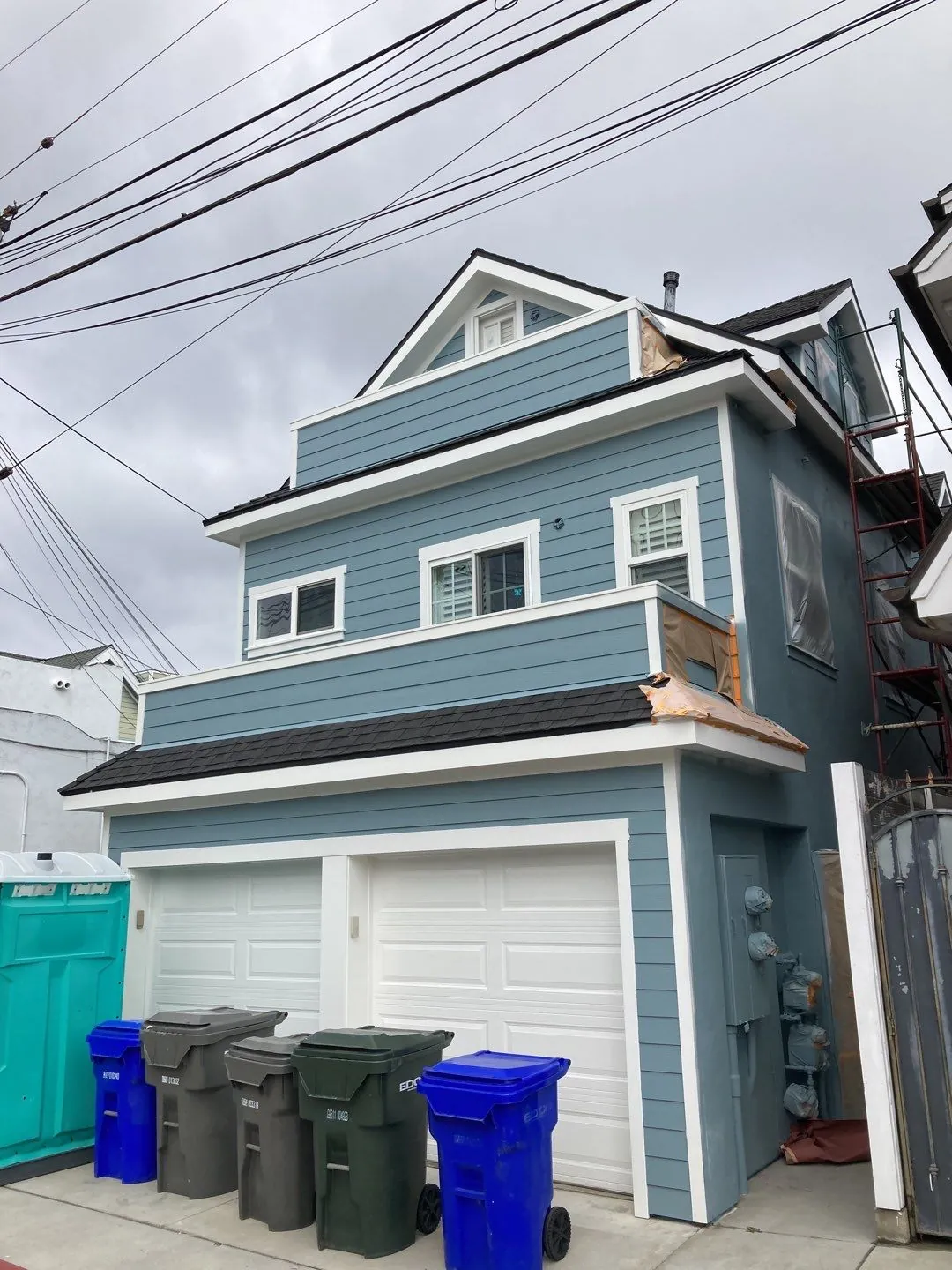
Tall, Narrow Coronado Home Repaint
A three-story home on a narrow Coronado lot, weathered by sun and salt air, fully primed and repainted with minimal access on either side.
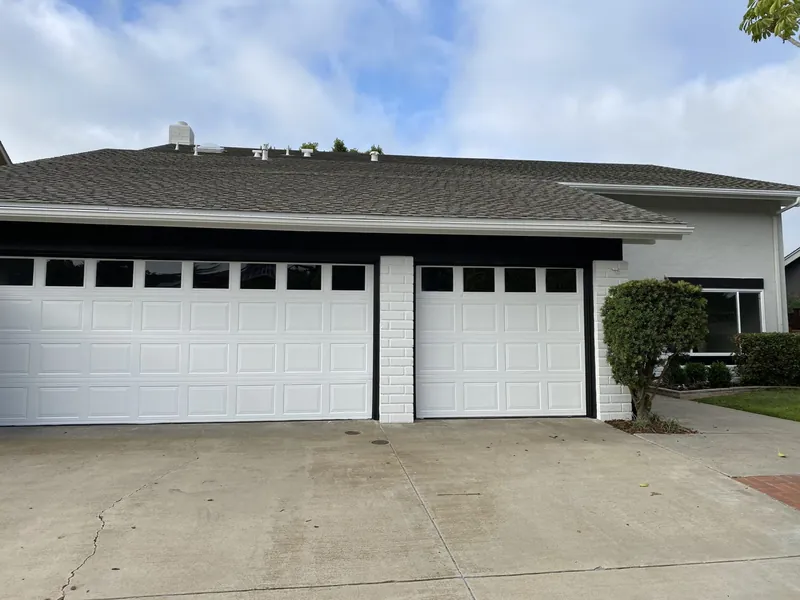
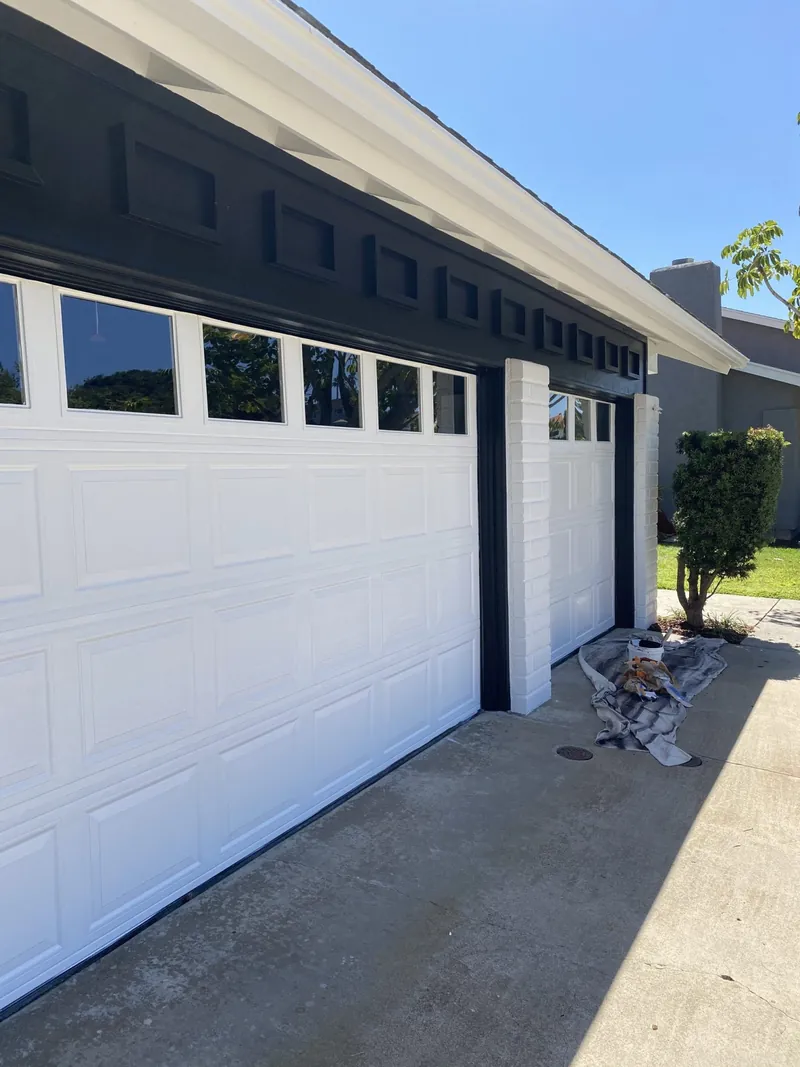
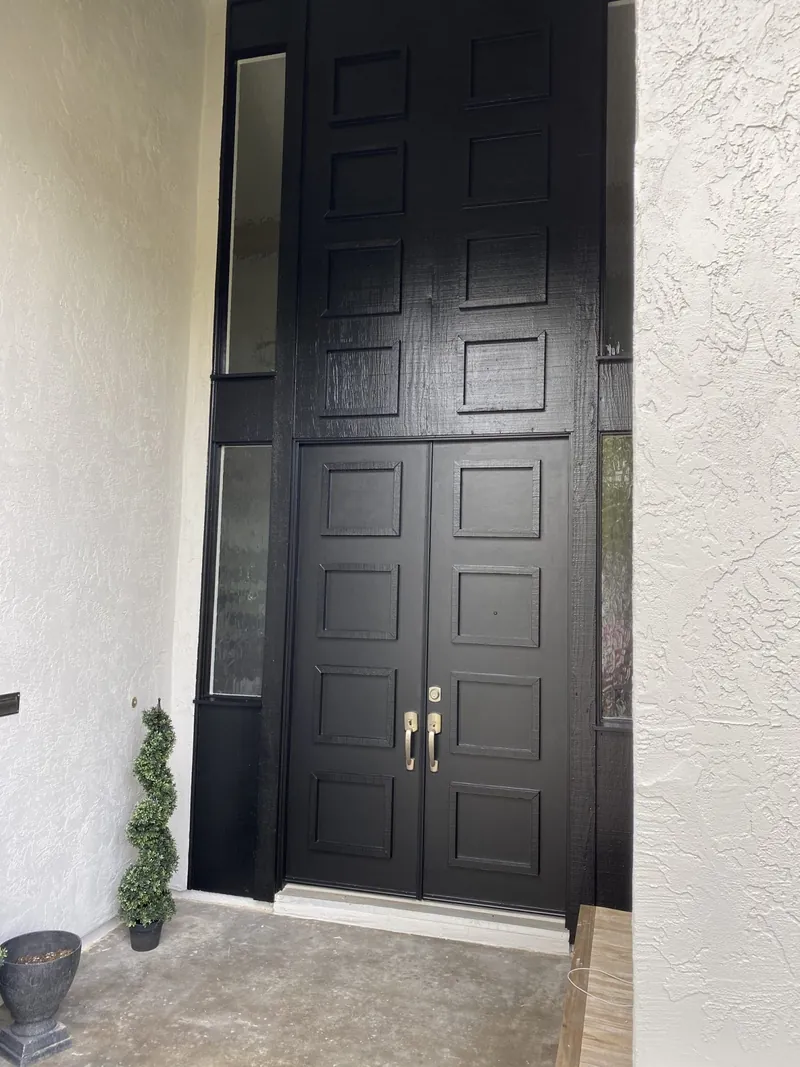
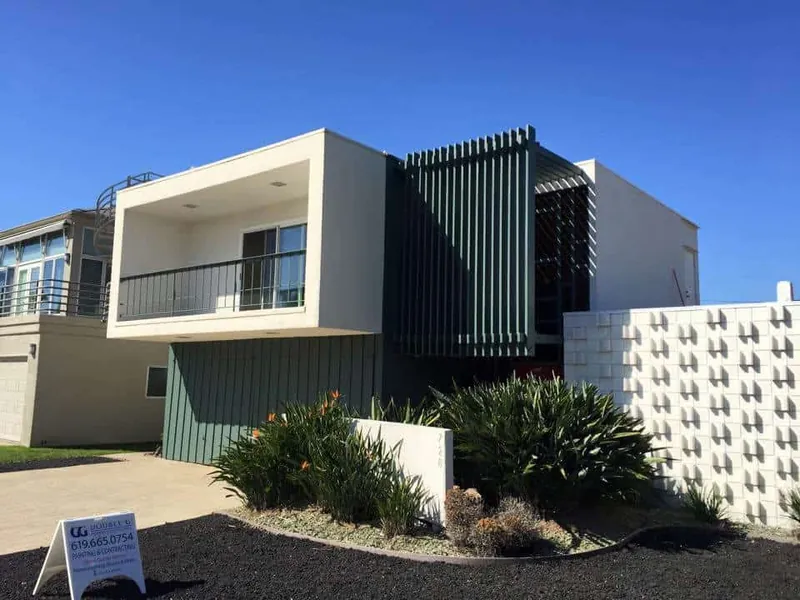
University CityUniversity City Black & White Home
Stucco repaired and resurfaced, then a high-contrast black and white repaint, with the deck, garage doors and front doors to match.
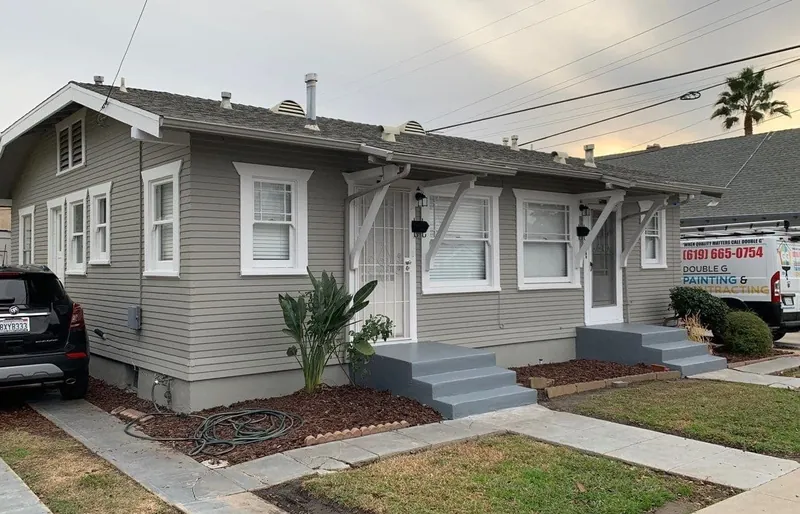
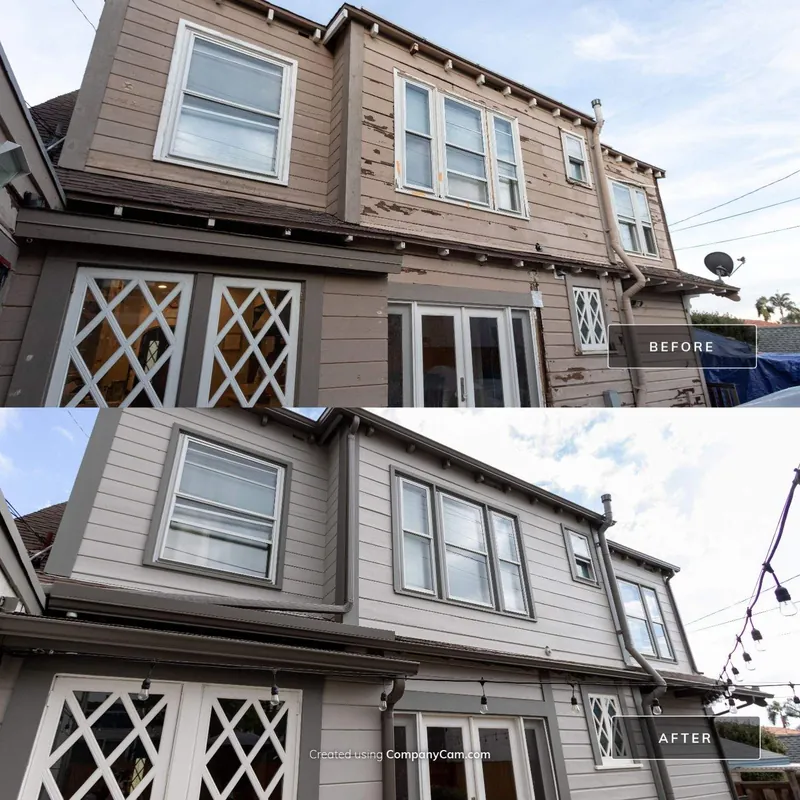 Point Loma
Point Loma Historic Home
Decades of failed paint stripped from a historic Point Loma home, wood repaired and primed, and the exterior restored in gray with white trim.
From Estimate to Final Walkthrough
Free On-Site Estimate
We review your objectives, assess visible surface conditions, and discuss preparation or repair considerations.
Detailed Written Proposal
You receive a written proposal outlining the recommended scope of work, preparation and coating system.
Prep, Repair, Paint
We protect the property, address the underlying surface conditions, then apply the finish coats.
Walkthrough & Warranty
We review the finished work with you. Qualifying work is backed by our one-year written warranty, subject to its terms.
Exterior Painting FAQ
How much does it cost to paint a house exterior in San Diego?
Every property is different, so we provide pricing in a detailed written proposal after a free on-site estimate. The main factors are the size and height of the home, the condition of the stucco, siding and trim, the repairs and preparation needed, and the coating system.
How long does an exterior paint job take?
It depends on the size of the home, access, weather and how much repair the surfaces need. Your written proposal includes the scope of work, and we'll discuss scheduling with you before work begins.
How long does exterior paint last in San Diego?
A properly prepped exterior with quality paint typically lasts 7 to 10 years in San Diego. South- and west-facing walls and homes near the ocean wear faster from UV and salt air. Wood trim and doors usually need attention sooner than stucco.
What's the best time of year to paint a house exterior in San Diego?
Spring and fall are ideal because temperatures are mild and the marine layer burns off earlier. Summer works too with an early start. We avoid painting when rain is forecast or surfaces are damp, and we time coats around the morning marine layer near the coast.
Do I need to do anything before the painters arrive?
Move patio furniture, grills and decor away from the walls, and let us know about sprinklers so they can be turned off. We cover plants, walkways, windows and fixtures, and we clean up every day.
Will you match my HOA's approved colors?
Yes. Give us the HOA's color schedule or paint codes and we'll match them exactly, or help you put together a submission if the HOA needs approval first.
Request Your Free On-Site Estimate
Tell us about your project and we'll schedule a free on-site estimate. During the visit we'll review your objectives and assess the surfaces, then follow up with a detailed written proposal.
| Monday – Friday | 8:00 AM – 5:00 PM |
| Saturday – Sunday | Closed |
Ready to Get Started?
Free on-site estimates, detailed written proposals, and in-house painting and carpentry to address what's underneath the paint.