
Stucco Painting & Elastomeric Coatings in San Diego
Most San Diego homes are stucco. We repair the cracks, match the texture, and choose between standard masonry paint and an elastomeric coating based on what your walls actually need.
- Licensed & BondedCSLB #1104525 · B & C-33
- 4.9★ on Google76 reviews
- Written WarrantyOne year · terms apply
- Free On-Site EstimatesDetailed written proposals
Quick answerDouble G paints and repairs stucco across San Diego. We clean the walls, repair cracks and match the existing texture, then apply either a premium masonry paint or an elastomeric coating that bridges hairline cracks. Because we hold a B general building license, larger stucco repairs are handled by our own crew on the same job.
Stucco problems we fix before painting
- Hairline and spiderweb cracks
- Larger cracks at windows, doors and corners
- Broken or missing stucco at the base of walls and around penetrations
- Bubbling or delaminating stucco from moisture
- Old patches with mismatched texture
- Efflorescence (white mineral staining)
- Chalky, sun-faded paint that won't let new paint bond
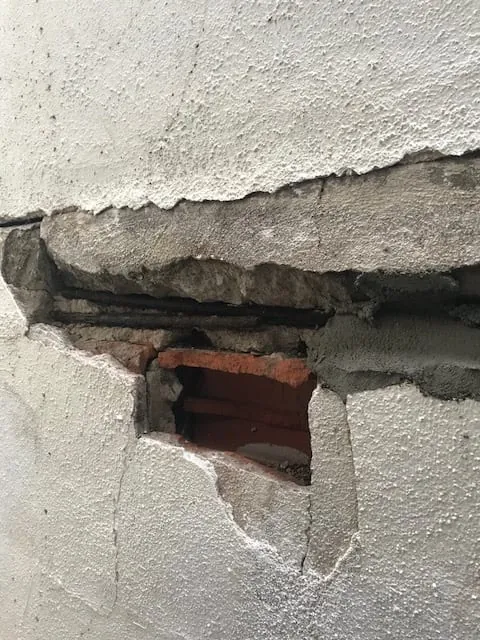
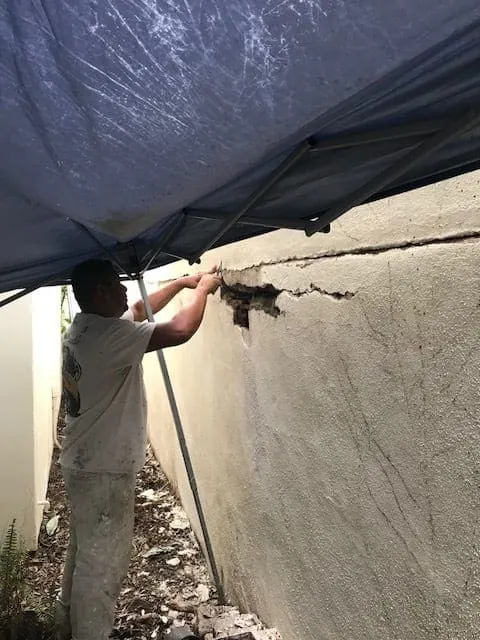
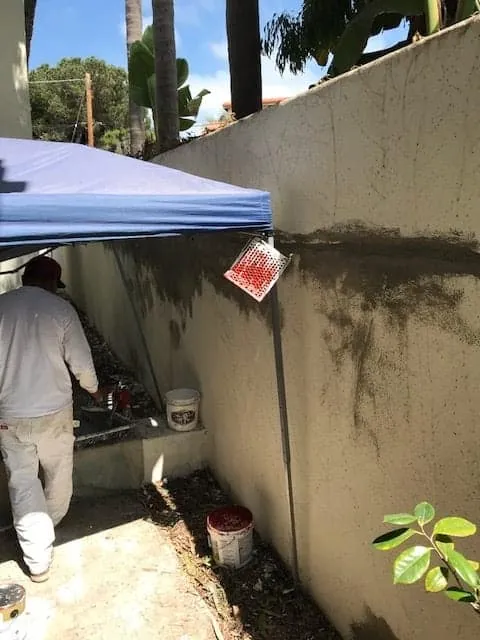
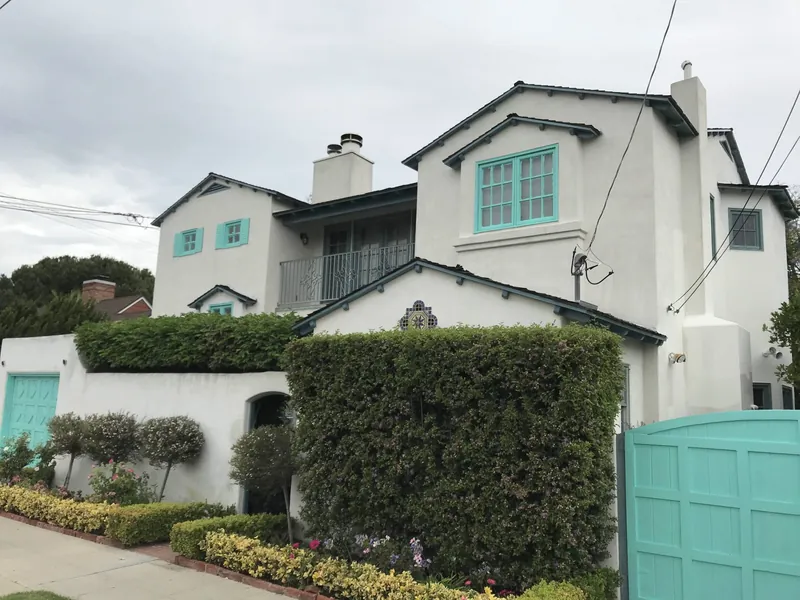
On our Spanish villa project, broken stucco had exposed the brick underneath. The crew cut out the damaged sections, re-stuccoed, matched the texture and then painted the whole house.
Masonry paint vs. elastomeric coating
| Masonry / exterior acrylic | Elastomeric coating | |
|---|---|---|
| Film thickness | Standard | Much thicker |
| Bridges hairline cracks | No | Yes |
| Breathability | Better | Lower |
| Cost | Lower | Higher (more material, more labor) |
| Best for | Sound stucco in good shape | Walls with recurring cracks, high exposure |
Elastomeric isn't automatically better. On walls with moisture problems it can trap water behind the film. We'll look at your walls and recommend one or the other, and the proposal will say which product we're using.
Smooth vs. textured stucco
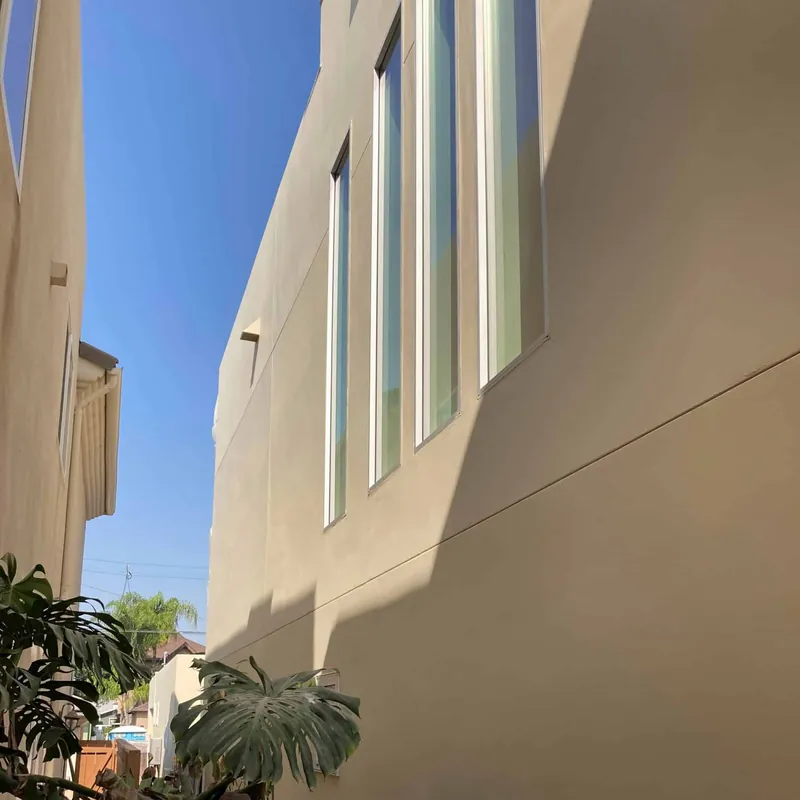
Textured finishes (sand, lace, dash) are forgiving: patches blend in easily. Smooth, modern stucco shows every flaw, so patches must be feathered and primed carefully, and spray application needs to be even. The H Avenue home in Coronado had smooth stucco with years of cracking, and it took careful prep to get a uniform finish.
Stucco on commercial and multifamily buildings
Apartment buildings and HOA communities are mostly stucco too. We handle phased crack repair and repaints across multiple buildings; see apartment painting and HOA painting.
Stucco & Elastomeric Photos
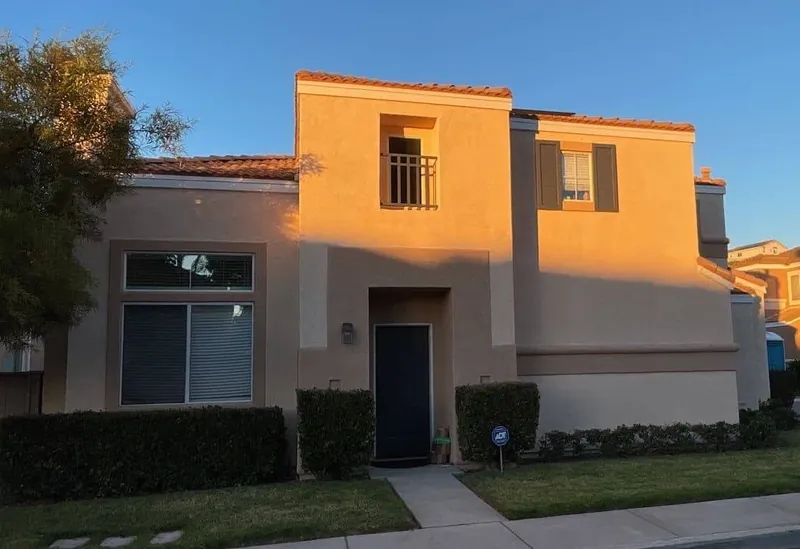
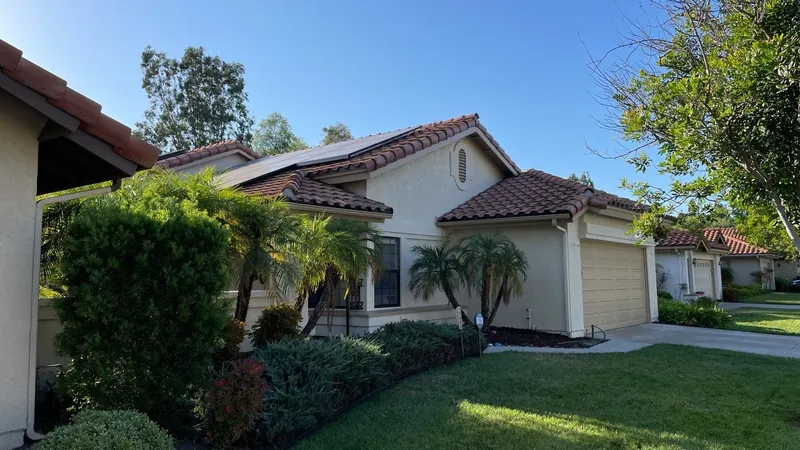
Real Double G jobs in San Diego. Tap a photo to enlarge it.
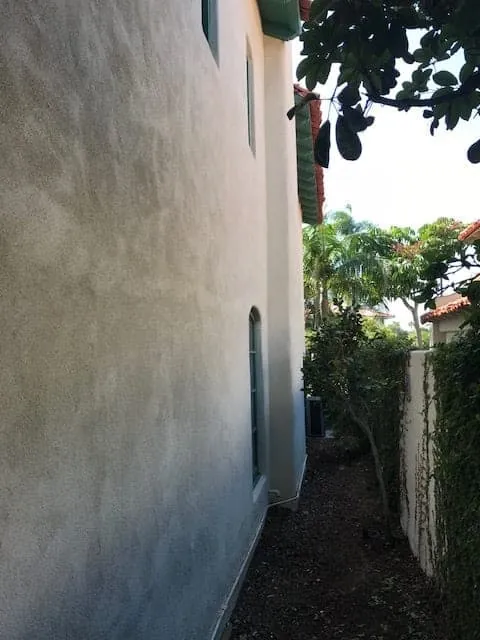
See It on Real Jobs
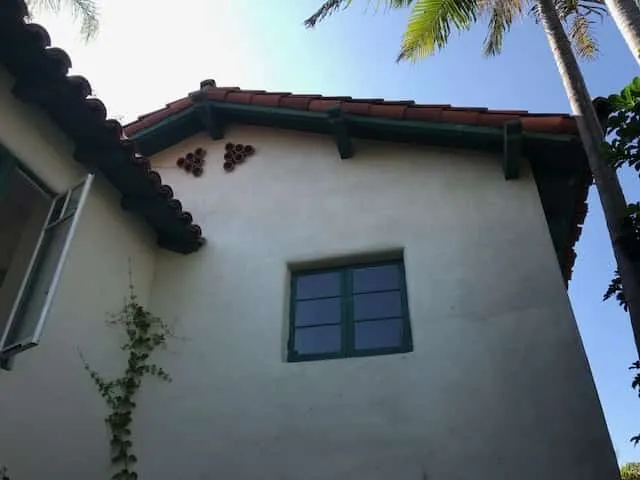 San Diego
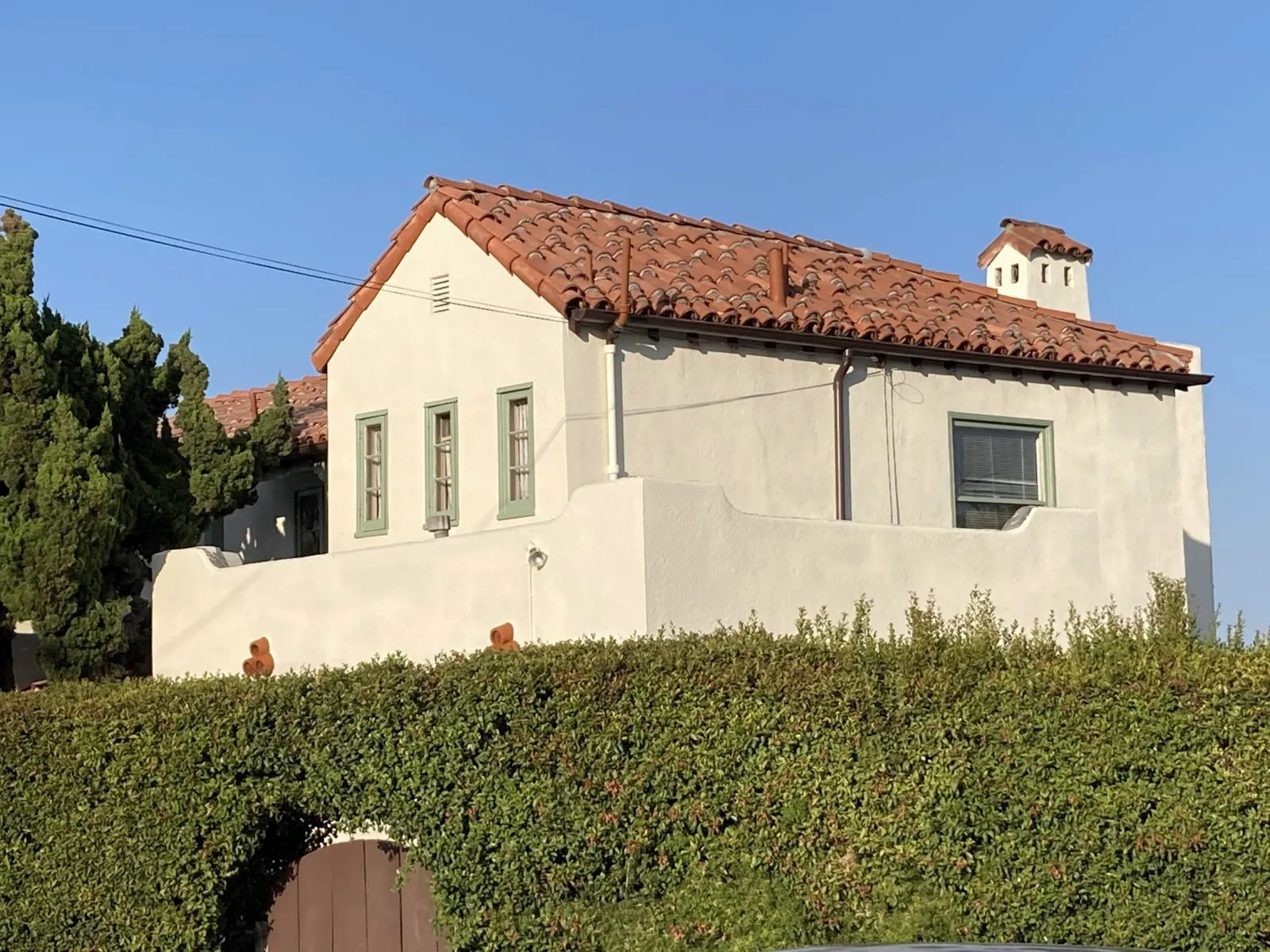
Spanish Villa Stucco Repair & Repaint
Broken stucco down to the brick, cracked walls and faded ironwork, rebuilt and repainted with green trim and red wrought iron.
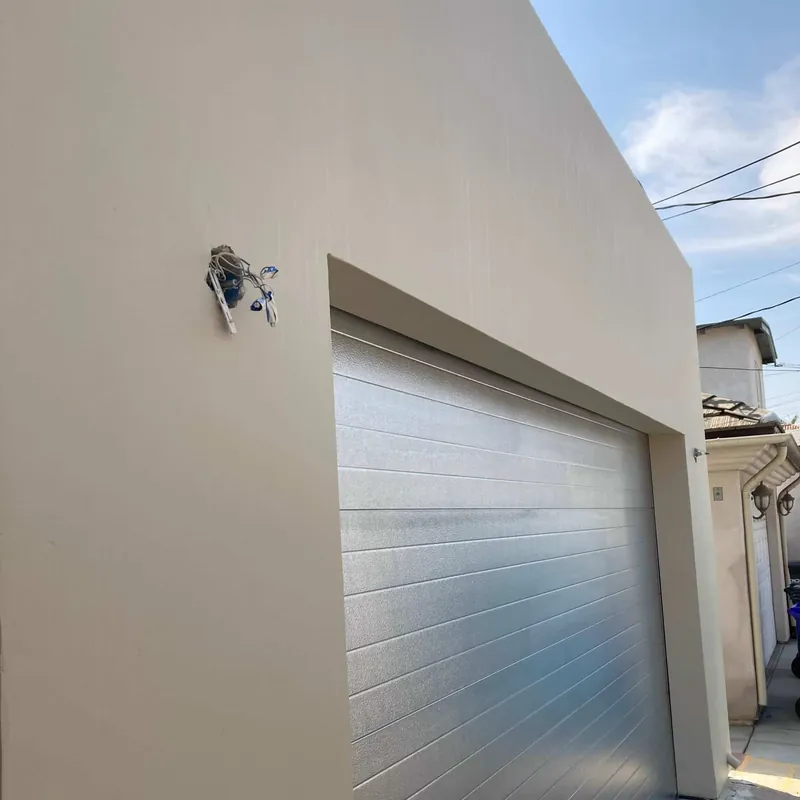 Coronado
H Avenue: Smooth Stucco, Decks & Roof Deck
Fifteen-year-old smooth stucco with a lot of cracking, three decks to refinish and a rooftop deck to recoat. More than a paint job.
 Coronado
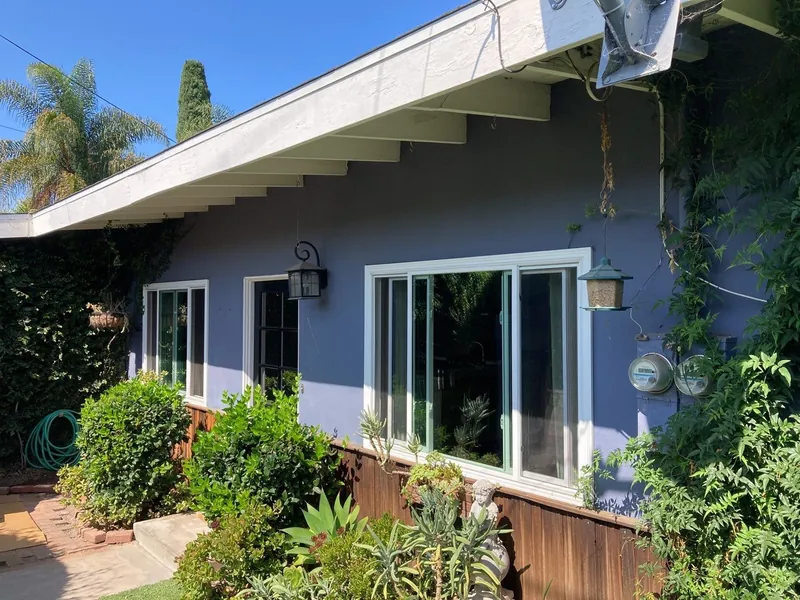
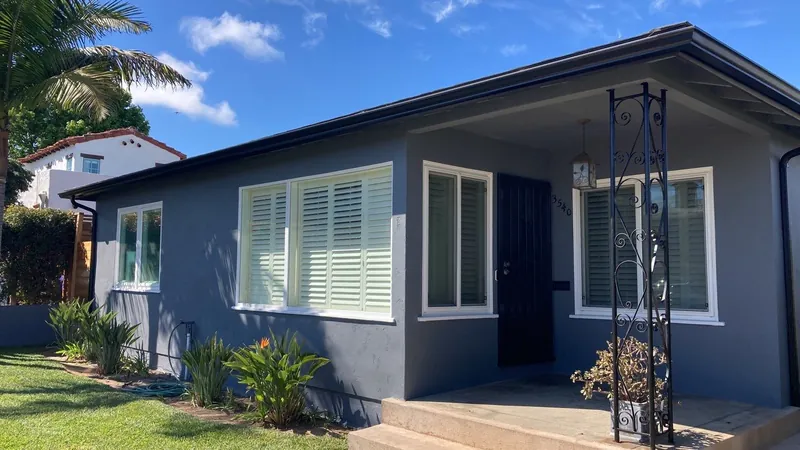
Coronado Navy Stucco Refresh
Cracked stucco, damaged fascia and a chipped driveway repaired, then a deep navy body with crisp white trim.
From Estimate to Final Walkthrough
Free On-Site Estimate
We review your objectives, assess visible surface conditions, and discuss preparation or repair considerations.
Detailed Written Proposal
You receive a written proposal outlining the recommended scope of work, preparation and coating system.
Prep, Repair, Paint
We protect the property, address the underlying surface conditions, then apply the finish coats.
Walkthrough & Warranty
We review the finished work with you. Qualifying work is backed by our one-year written warranty, subject to its terms.
Stucco & Elastomeric FAQ
What is elastomeric paint, and do I need it?
Elastomeric coating is a thick, flexible coating that stretches with the wall and bridges hairline cracks. It's a good choice for stucco that keeps cracking or for walls that take wind-driven rain. It's not always the right choice: it's thicker, costs more, and can trap moisture on walls that need to breathe. We'll recommend it only where it makes sense.
Can you fix stucco cracks before painting?
Yes. Hairline cracks are cleaned and filled with flexible patching compound. Larger cracks are opened up, patched with stucco, and textured to match the surrounding wall. Structural cracks or cracks caused by settlement or moisture problems may need more than a patch, and we'll tell you if that's the case.
Will the stucco patches show through the new paint?
Not if the texture is matched and the patch is primed. Smooth stucco is the hardest to hide patches on; we take extra care to blend those, as on our H Avenue project in Coronado.
How long does paint on stucco last?
Quality masonry paint on well-prepped stucco typically lasts 7 to 10 years in San Diego. Elastomeric coatings can last longer when applied at the right thickness. Sun exposure and coastal location make the biggest difference.
Can you paint stucco that has never been painted?
Yes. Unpainted (integral color) stucco needs to be cleaned and often primed with a masonry primer. Once stucco is painted it will need repainting in the future, so it's worth talking through the decision.
Request Your Free On-Site Estimate
Tell us about your project and we'll schedule a free on-site estimate. During the visit we'll review your objectives and assess the surfaces, then follow up with a detailed written proposal.
| Monday – Friday | 8:00 AM – 5:00 PM |
| Saturday – Sunday | Closed |
Ready to Get Started?
Free on-site estimates, detailed written proposals, and in-house painting and carpentry to address what's underneath the paint.